Weather and Climate in Tanzania National Parks: Month-by-Month Guide for safaris
Tanzania’s climate, broadly tropical, significantly influences the country’s varied weather patterns.
Additionally, it is shaped by its equatorial location, Indian Ocean proximity, and dramatic altitude variations. So, that is from humid coastal lowlands to cool highlands and semi-arid central plateaus. Expect year-round warmth in Tanzania National Parks (daytime averages 25–32°C/77–90°F), but nights drop cooler in highlands (down to 10–18°C/50–64°F).
So, before visiting the Tanzania National Parks for a safari, be informed about the weather patterns and climatic conditions. Additionally, know the best time to visit Tanzania, what essentials to pack incase of weather changes. Tanzania climate and weather normally influences the demand for different safari experiences hence causing prices to either go to the peak or be low. Overall, the weather and climate in Tanzania are shaped by the wet and dry seasons.
This 2026 guide offers a month-by-month look at Tanzania’s climate, with a focus on how it affects safari experiences. Think of the Great Migration in Tanzania, calving seasons, and river crossings. Also, this Tanzania weather and climate guide covers regional variations, what to pack, and estimated costs. The information is based on dependable sources and current trends, with no significant changes anticipated compared to 2025.
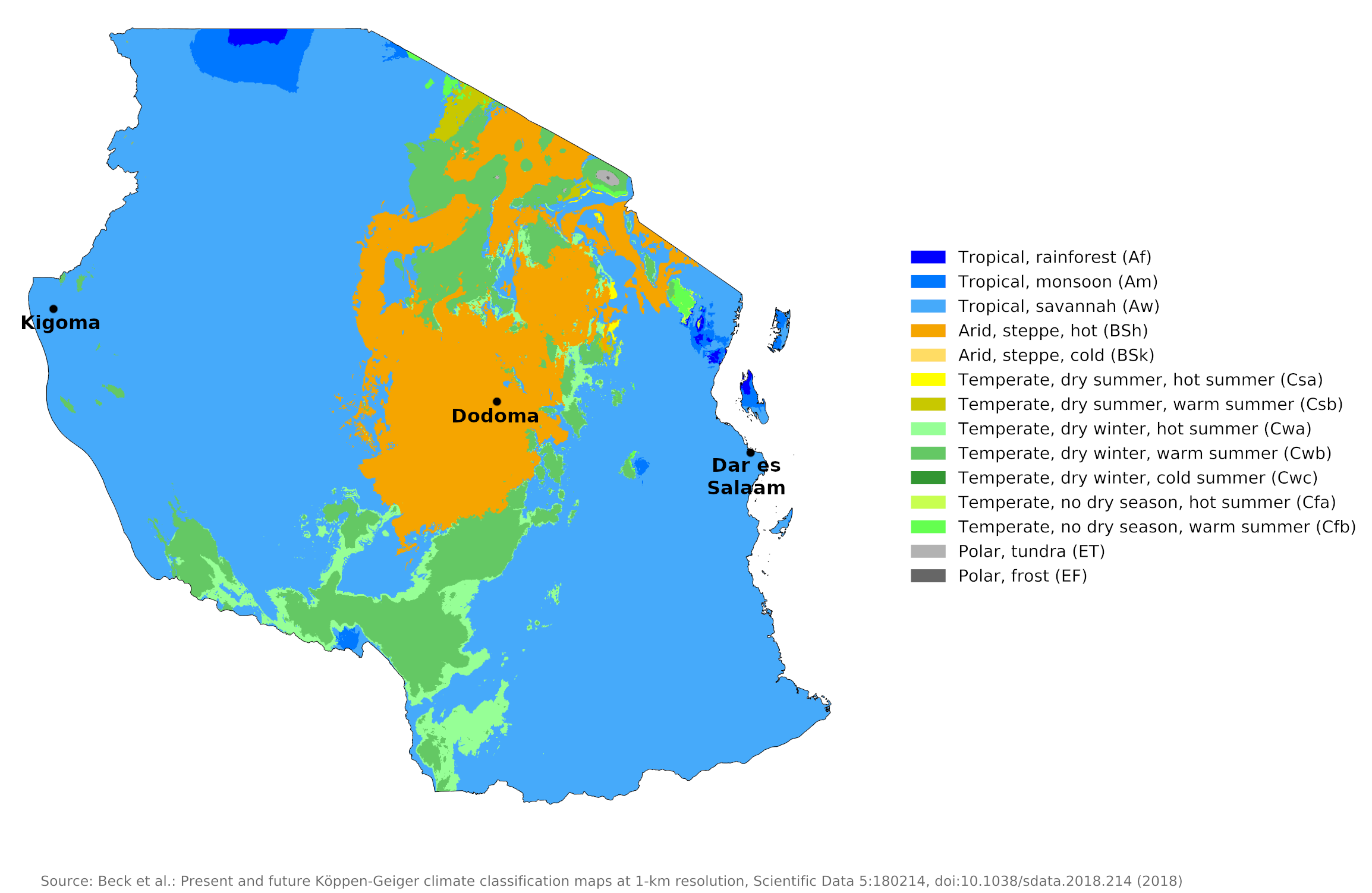
Tanzania Climate Zones Overview
Tanzania’s diverse geography creates four main climatic zones:
- Temperate highlands. This is the kind of climate received in the Southern region/ Southern highlands of Tanzania. So, it is found in areas like Mbeya,Iringa and Ruvuma with temperatures usually between 10°C-20°C. In addition, it freezes cold in the night times and the long rainy season is from November to April. Hence, these months are ideal for agricultural productivity in Tanzania.
- Tropical climate. This is the kind of climate is normally experienced in the Coastal regions of Tanzania like Zanzibar and the Pemba islands. Additionally, these areas are near the Indian Ocean and the temperatures in the day usually range from 26°C-27°C . Rainfall range received is between 1000mm-2000mm with the longer rainy period is from March to May.
- Also, the shorter rainy period in this Tanzania climate zone is from late October to December. The regions in this climatic zone support growing of cash crops like the cloves , coconuts and food crops like maize and cassava.
- High rainfall climatic zone.This Tanzania climate zone experienced by regions near Aftics great lake basins like Lake Nyasa and Lake Tanganyika. Temperatures in this zone are in between 12°C to 26°C and the rainfall range received is between 800mm-1200mm.
- The Key economic Tanzania activities to do in this region is fishing but also cash crops are grown in areas like Mwanza and Njombe with this kind of climate.
- Semi-Arid climate. This type of climate zone in Tanzania is experienced more in the central Plateau. Also, it is characterised by hot and dry weather with temperatures ranging from 25°C to 35°C. The rainfall range is from 400mm to 800mm in areas like Dodoma, Manyoni and part of the main city of Arusha. Livestock herding is the main economic activity that is carried out here and there’s only one rainy season from November to April.
Tanzania Weather Month by Month & Safari Impact in 2026
January.
January is part of the shorter dry season in Tanzania. Temperatures in January during day are as high as 29°C and during the nights they drop to 18°C which is still fairly warm. The sun is bright in Tanzania during January, making the skies clearer hence beach holidays in Zanzibar and the Mafia Island. Also, the waters in the coastal areas in Tanzania are calm.
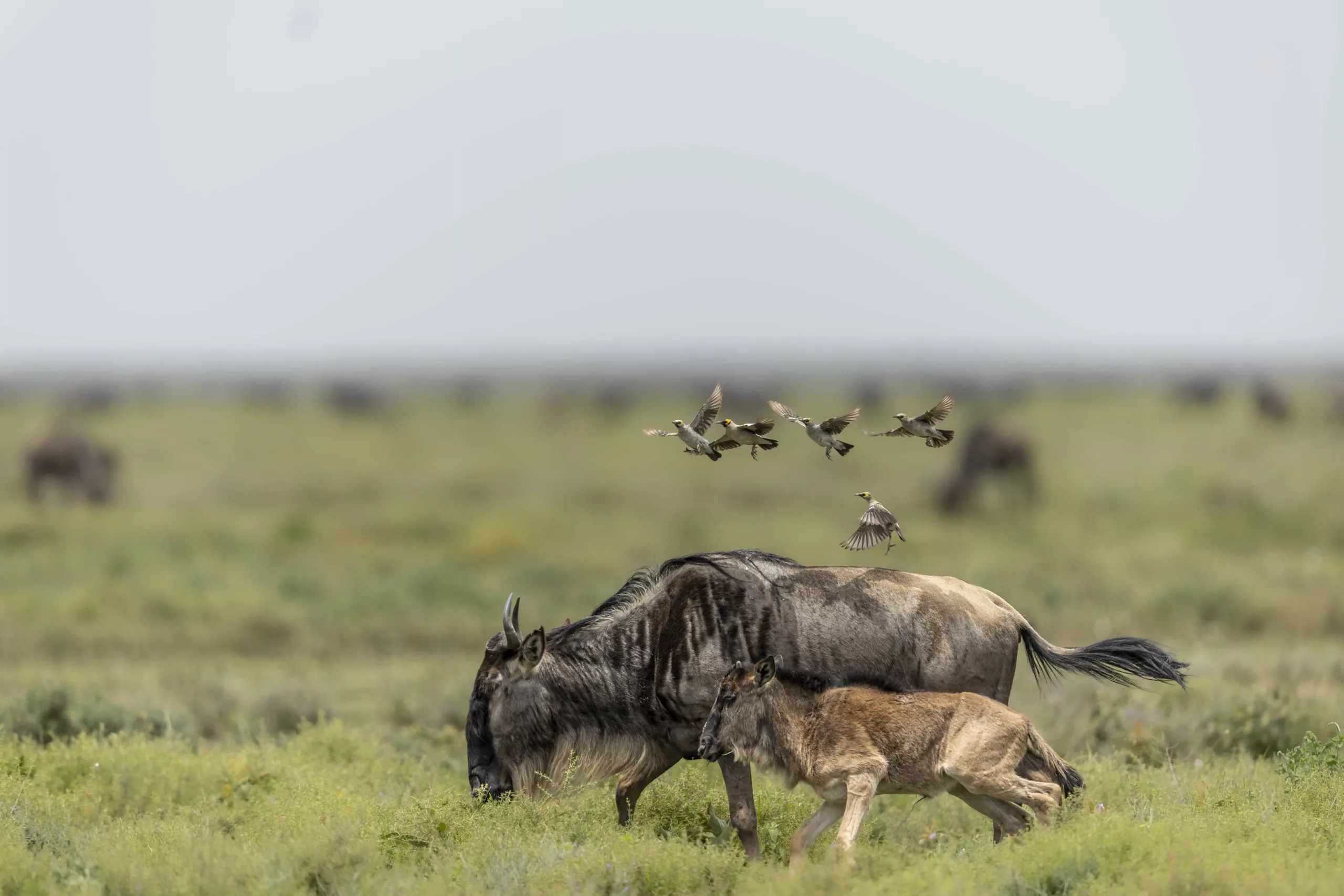
Hence, snorkeling and boating expeditions are more easier during this time. January is also the peak season for the calving of the wildebeests around the Ndutu region in the Southern plains of the Serengeti national park.
February.
February is also part of the short dry season in Tanzania. Temperatures rise as high as 35°C during the day and fall to 19°C at night in many parts of Tanzania during February. Therefore, the temperatures during day are so hot and uncomfortable. Hence, people traveling to Tanzania during this month should pack lighter clothings.
The predator-prey activity during the calving season in Ndutu becomes thrilling in February when you visit Tanzania. So, witness predators like lions and leopards increase due to the high population of the calves whereby 8000 are born per day. Hence, this makes it easier for the predators to hunt down these vulnerable individuals. Lastly, in the remote national parks in Tanzania like Ruaha, the grass becomes thinner hence wild animals are more visible during this time.
March.
This month marks the end of the short dry season and marks the start of the longer dry period in Tanzania. Day temperatures in March are around 30°C and in the nights drop to 20°C . So, heavy downpours occur during this month, hence tourists travelling to Tanzania in March are advised to park warmer clothing. The rains leads to growth of a more greeener and this makes photography in Tanzania optimal, through road transportation is made difficult by the muddy roads.
April.
The rains are heavier during in April than in March with temperatures falling to 28°C during day and 19°C in the nights. Also, the weather becomes more unpredictable during this month as it can shine in the morning and rain heavily in the afternoons. However, April attracts migratory birds in national parks, making birding safaris in Tanzania exceptional.
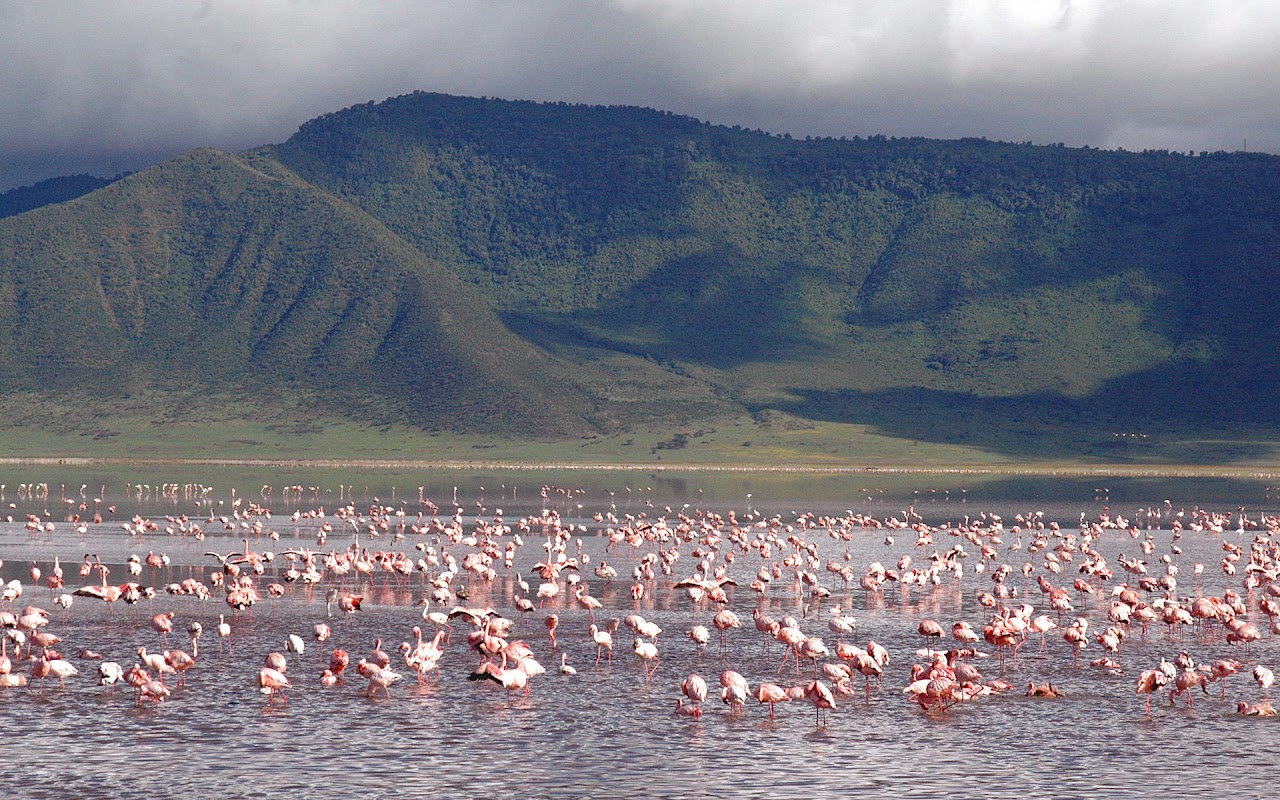
For instance in Lake Manyara National Park, tourists observe migratory birds like the White storks, barn swallows and yellow wagtails. Also, insects that spread diseases like mosquitoes increase in numbers during April, hence making it risky for the tourists.
May.
By the end of May, the long rainy period in Tanzania ends. So, temperatures during day rise to 27°C and in the night they fall to 18°C . Hence, this is the month where the temperatures are comfortable during day and chill in the nights. For travelers interested in witnessing the wildebeest migration in Serengeti through the Western corridor, May is the ideal month. Though accessing some routes through the Serengeti might be hard due to the soggy grounds.
June.
This month starts the long dry season in Tanzania as temperatures during rise to 26°C during day and drop to 16°C at night. Therefore, the days are sunny and the nights become so cold. The Tanzania safari tours become magnificent as the landscapes in national parks like the Ngorongoro Conservation Area clears. So, tourists visibly see the animals down the descent of the Ngorongoro crater.
July.
This is the month renowned for offering perfect safari experiences in Tanzania National Parks. So, daytime temperatures are 25°C, making it comfortable for expeditions like summiting Mount Kilimanjaro. In the night, these temperatures fall to 14°C, hence making it ideal for the camping safaris in Tanzania. However, the number of tourists increase in the different Tanzania safari parks making wildlife viewing less exclusive.
August.
August is the month where the dry season is at its peak and temperatures are 25°C during day and 15°C at night. Therefore, the sundowner experiences in Tanzania National Parks and romantic getaways become phenomena. So, as the sunsets in the afternoons in the pristine beaches of Zanzibar become breathtaking during August. However, the Tanzania safari costs have become expensive due to the increase in demand from tourists.
September.
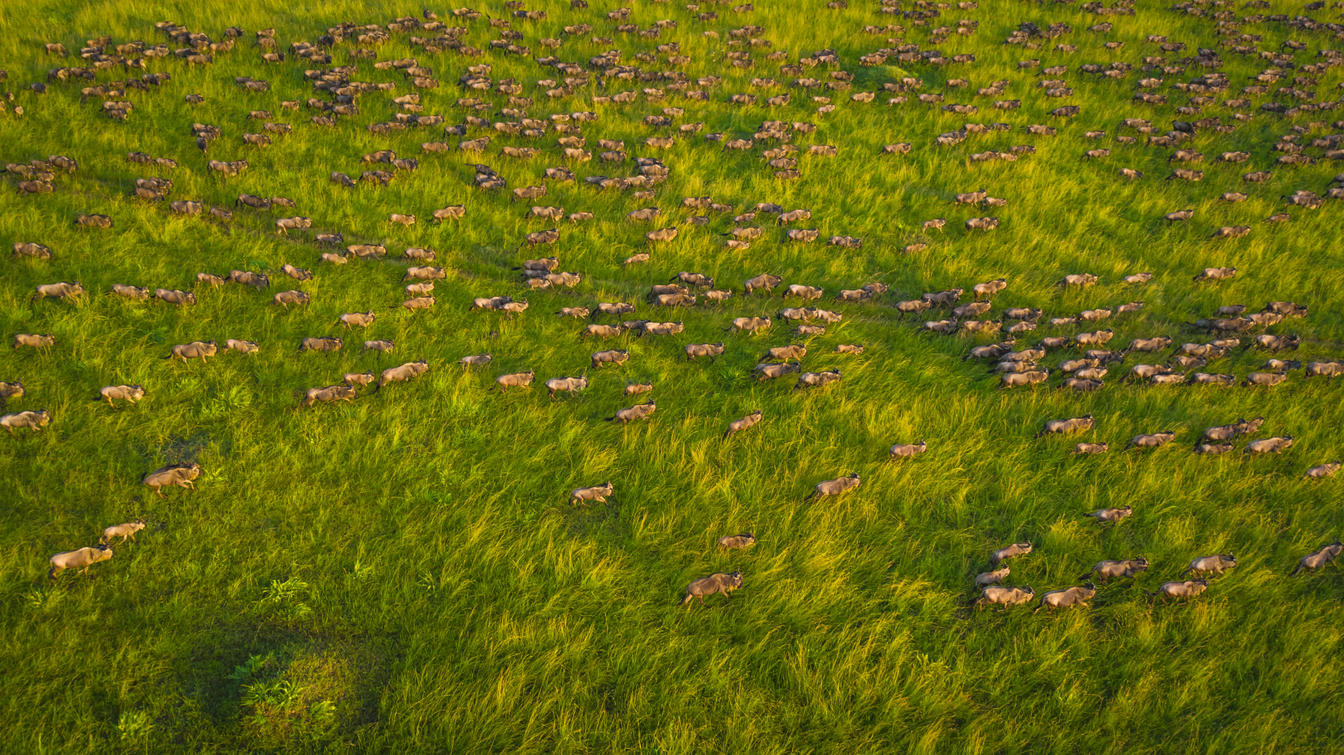
The days in September become hotter and temperatures rise to 28 °C during the day and become 16°C at night. So, early morning game drives in the Tanzania parks like Tarangire National Park require heavy clothing since they’re so cold in September. The dramatic wildebeest river crossings at Lara in Serengeti are also at their peak during this month.
So, most of the wildebeests are seen going to greener in Serengeti. However, these wildebeests are pursued by predators like the Nile crocodiles in the Mara River waters. Also, the cheetahs on the land waiting to feast on these wildebeests. so witnessing this moment is awe-inspiring for the observers who visit Tanzania in September.
October.
This month marks the end of the long dry season in Tanzania, and temperatures go as high as 30°C during the day, and at night they decrease to 18°C. So, when in Tanzania parks like Katavi, see wild animals easily like zebras and hippos, congregated at the waterholes due to the heat during the day. In Tanzania national parks like Mahale, chimpanzee trekking is ideal during October. So, trekkers can navigate through the Mahale forests easily as the vegetation is less dense.
November.
November marks the beginning of the short rains in Tanzania. So, during the day, temperatures rise to 29°C and at night they fall to 18°C. The light rains received in Tanzania during November give life to the landscape’s appearance in the different Tanzanian parks. The weather in Tanzania sheds some green in these Tanzania National Parks. Additionally, November is great for travelers seeking both beach holidays in Tanzania and marine exploration, as turtles at the Prison Island usually hatch during this month.
December.
December marks the end of the short rainy period in Tanzania, with day temperatures high as 30°C which drop to 19°C at night. However, the weather in Tanzania is clearer during the day, hence making photography epic. Also, for those who want to explore the coastal region like Mafia Island, December is the best month for unique activities to do in Tanzania, like swimming with the whales.
Conclusion: Tanzania Weather and Climate
The climate in Tanzania varies in zones, as the Coastal areas of Dar es Salaam and Zanzibar have a tropical climate. The areas in the Central Plateau in Tanzania have a partly semi-arid climate, the Northern circuit region has Temperate climatic conditions. Lastly, the Southern highlands in Tanzania are characterized by cooler climatic conditions.
To sum all this up, the two dry seasons of the tropical climate in Tanzania are from June to October and January to February. So, they are renowned for optimal wildlife safari experiences with different challenges based on which experiences to do.
Dry seasons have high Tanzania safari costs due to increased demand and overcrowding in parks. Lastly, the two wet seasons in Tanzania happen from March to May and January to February. So, they are known for optimal birding safaris, but the heavy downpours also come with challenges.