Ultimate Ngorongoro Safari Guide for First Timers (2026)
How to plan a Ngorongoro safari. A trip to Ngorongoro Conservation Area usually requires strategic planning especially for first timers to this Tanzania park. So, travelers have to look at what season to get to Ngorongoro for a safari. Also, know about the different park regulations and the Ngorongoro Conservation Area costs that are to be incurred during one trip to this area.
Additionally, Ngorongoro is the one of the most visited Tanzania National Parks because of its natural tourist attractions including the alkaline lake Magadi and the crater. So, these support the local community that coexist with the high density of wild animals in this UNESCO world heritage site. You can spot the Big Five in Tanzania in one day, thanks to the enclosed ecosystem. Planning for a Ngorongoro safari as a first-time feels overwhelming at first, but keep it simple. Focus on timing, budget, and basics. This guide covers everything you need for a smooth first trip.
Why Visit Ngorongoro Conservation Area?
The Ngorongoro Conservation Area in northern Tanzania is one of Africa’s most extraordinary safari destinations — and for first-time visitors, it offers an unmatched combination of accessibility, wildlife density, and breathtaking scenery. Here’s why Ngorongoro should be at the top of your Tanzania itinerary:
Variety of wildlife Species
A variety of wildlife in Ngorongoro offers a better safari experience since animals, including the Tanzania big five are all concentrated in one place. Hence, presenting higher opportunities to see animals in Ngorongoro for beginners, even on a short holiday. Additionally, see rare animals like the black rhinos and the leopards.
UNESCO World Heritage Site
Recognized as a UNESCO World Heritage Site since 1979, Ngorongoro is celebrated for both its biodiversity and its culture. The Maasai people have supported the existence of this area through tourism thats based on culture because of how unique their traditions are like their construction of houses by use of mud.
Africa's Garden of Eden
Often called “Africa’s Garden of Eden,” the Ngorongoro Crater floor is a photographer’s paradise. Picture 600-metre-high crater walls creating a natural amphitheatre around open grasslands. Also, around the acacia woodlands, hippo-filled springs, and Lake Magadi where thousands of flamingos gather.
The Cradle of Mankind
Witness human evolution that is presented in the Olduvai Gorge Museum in Ngorongoro. Here, exhibits dating back 1.9 million years like the zinjathropus and the traditional tools were discovered. Hence, earning the name “Cradle of Mankind”. So, visit the on-site museum as a first-timer in Ngorongoro to see ancient tools and fossil exhibits.
Best Time to go on a Ngorongoro Safari for First Timers
Tanzania has the low season where are there are few travelers come and the high season where there’s a large influx of people coming inside the Ngorongoro. Thehigh season or best time to visit Ngorongoro for a safari for the first time is from June to October. So, many tourists go on a safari because of the weather that makes different things to do in Ngorongoro very easy.
The low season or worst time to visit Ngorongoro is from March to April. So, a few people usually go on a safari to Ngorongoro during this wet season period. Most travelers who come in during this time usually come for birding in Ngorongoro, but these months are bad for other wildlife safaris if you didn’t know! Additionally, the green vegetation attracts even the migratory birds to this habitat.
Ngorongoro Safari Costs & Budgeting
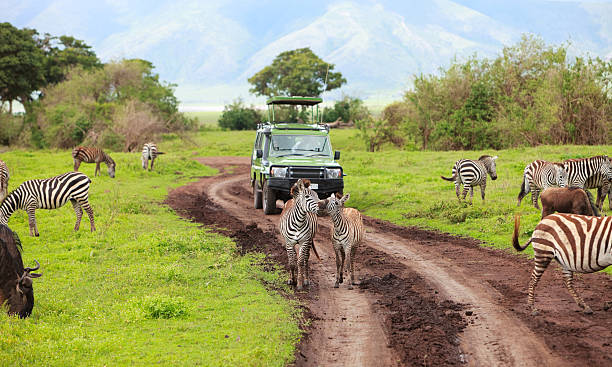
The cost of the Ngorongoro safari depends on the days that one is to take for the expedition and the season of travel to Tanzania. 1 day or two days Ngorongoro safari holidays are budget friendly compared to longer trips like from four days to a week. Also, travelers visit Ngorongoro during the peak season from July to October, but incur more costs because of overcrowding.
So, many people that come during this time lead to hidg demand for different services like accommodations to go up compared to the loss season from March to May when they are a few people.
Ngorongoro Conservation Area Fees (Per Person, Per Day)
| Visitor Type | Entrance Fee | With 18% VAT |
|---|---|---|
| Foreign Non-Residents (Adults) | USD 70.80 | USD 83.54 |
| Foreign Non-Residents (Children 5-15) | USD 23.60 | USD 27.85 |
| Children Under 5 | Free | Free |
Crater Descent Fee (Per Vehicle): USD 295 + 18% VAT = USD 348.10 (shared among all passengers in the vehicle)
Vehicle Entry Fee: USD 20 + VAT (for Land Cruiser/safari vehicles)
Typical Safari Package Costs
Most first-time travellers to the Ngorongoro Crater book all-inclusive safari packages through tour operators (like Tanzania National Parks and Serengeti Masai Mara). Here’s what to expect as a first timer on your trip to Ngorongoro:
- Ngorongoro Budget Safari (1 day from Arusha): USD 400-600 per person | Shared vehicle, basic packed lunch, no overnight stay
- Mid-Range Safari (2 days/1 night): USD 800-1,500 per person | Includes accommodation outside the Ngorongoro crater (e.g., Karatu), meals, game drives
- Short Luxury Safari in Ngorongoro (2-3 days): USD 2,000-5,000+ per person | Crater rim lodge accommodation, private vehicle, gourmet meals, premium service
What’s typically included: Ngorongoro National Park fees, crater descent fee, vehicle rental, driver-guide, meals (as specified), accommodation, bottled water
What’s typically NOT included: International flights to and from Tanzania, Tanzania visa, travel insurance, tips for guides/lodge staff, alcoholic beverages, personal expenses, optional activities (Maasai village visits, hot air balloon flights etc.)
Choosing Accommodation in Ngorongoro
Choosing the right accommodation is crucial for your first Ngorongoro safari. You have three main options of lodges in Ngorongoro to consider, each with trade-offs between location, luxury, and cost: So, budget llodges in Ngorongoro like Simba Campsite to the ultra-luxurious ones like the Ngorongoro lodge by Melia are some of those to choose from. Also, consider the accommodation proximity to the Ngorongoro Crater on your first safari.
You can hoose the lodges inside the Ngorongoro conservation area however, they are costly as a result of concession fees.Secondly, if one wants a more intimate culture exploration of the local community, they should choose the ones that are outside this park. However, this is in the same proximity around the Karatu highlands whereby these ones are more affordable.
1. Crater Rim Lodges (Inside the Ngorongoro Conservation Area)
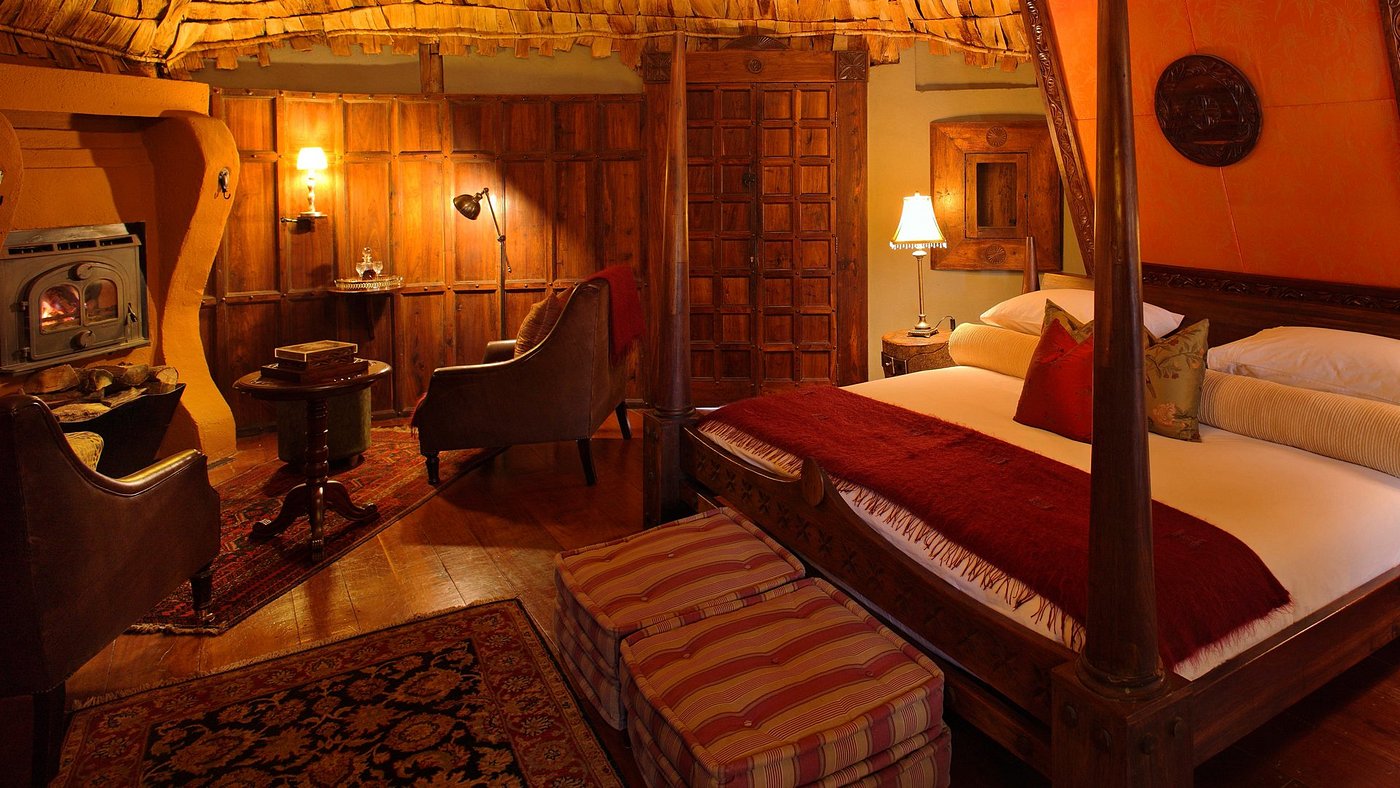
Pros: Closest access to the crater (10-20 minutes to gate), spectacular crater-floor views and easy to reach the crater at 6:00 AM opening
Cons: Most expensive option (USD 400-1,500+ per person per night). Also, must pay USD 59 per person per night concession fee on top of room rate and limited availability (book 6+ months ahead for peak season)
Recommended lodges:
- Ngorongoro Crater Lodge (Ultra-Luxury)
- Ngorongoro Serena Safari Lodge (Luxury)
- Ngorongoro Sopa Lodge (Mid-Range to Luxury)
- The Highlands Ngorongoro (Luxury Tented Camp)
2. Karatu Town Lodges (Outside Ngorongoro)
Pros: Much more affordable Ngorongoro accommodations (USD 80-300 per person per night). Secondly, no concession fees, wider range of options from budget to luxury, easier to book last-minute, still only 20-30 minutes to the crater gate
Cons: No Ngorongoro crater views, slightly longer drive to the gate (but still very manageable), less “immersive” experience
Recommended lodges:
- Gibbs Farm (Mid-Range)
- Ngorongoro Farm House (Mid-Range)
- Eileen’s Trees Inn (Budget to Mid-Range)
- The Manor at Ngorongoro (Luxury)
3. Public & Special Campsites
Pros: Budget-friendly option (camping fee USD 35.40 per person per night + equipment rental). Also has authentic bush experience and wildlife often wanders near these Ngorongoro campsites at night.
Cons: Basic facilities (long-drop toilets, no running water at most public sites), cold at night (crater rim is 2,200m above sea level). Lastly, requires camping gear or hired equipment and not ideal for first-time safari visitors to Ngorongoro
Recommended campsites:
- Simba Campsite (Public) – Popular budget camping option on the Ngorongoro crater rim
- Special Campsites (Private) – More secluded camp in Ngorongoro, must be pre-booked, better facilities than public sites
Self-Drive vs Guided Safari in Ngorongoro: Which is Right for You?
First-time safari visitors often wonder whether to self-drive or book a guided tour in Ngorongoro, Tanzania. If anyone is choosing a Ngorongoro Self-Drive Safari, they should be ready to hire a game ranger that usually comes at a cost between $40-$50. So, clarify with the authors of the guest so that he is given to you as you enter Ngorongoro wildlife conservation area.
However, much this is less costly compared to a guided Safari in Ngorongoro. One should have the skills and knowledge about the routes to use but extra costs are incurred because they might spend, were not necessary. With the guided Ngorongoro safari, one is prepared in a better way as they are able to follow the schedule that is on the itinerary. So, everything is planned though it is costly compared to a self-drive safari in Tanzania’s Ngorongoro since your guide could charge up to $1000 per trip.
What to Pack for Your Ngorongoro Safari
Packing correctly especially on your first safari holiday in Ngorongoro, makes a huge difference to your comfort and enjoyment. Here’s the essential gear to needed for a trip to Ngorongoro for beginners:
- Light and warm clothing. Temperature is usually varied in the Ngorongoro conservation area because most mornings are cold and the afternoons are warm. Therefore, one should be prepared for the change in temperatures and weather for proper comfort during your Ngorongoro Crater tour.
- Hiking boots. These boots are mandatory as the Ngorongoro terrain has deep slopes that cannot easily be navigated with just any kind of shoes. Additionally, these hiking boots are waterproof so can withstand all conditions including swampy like terrains.
- Hydration pack. It is a must to carry a water bottle or personal drinks during the game drives in Ngorongoro as the journey could be exhausting and dehydrating.
- First aid kit. It is necessary to carry such an essential for emergencies like injuries from fall or if one has disease like asthma.
- Photographic essentials. what is a first time adventure in Ngorongoro without capturing evidential memories. So, for one planning a trip to Ngorongoro, get a camera and a binocular to capture memories and see wildlife in the park cupclose respectively.
Required Travel Documents
Make sure you have all necessary documents before traveling to Tanzania for your first Ngorongoro tour. Entry into this national park will be denied without proper paperwork:
Essential Documents Checklist for your first trip to Ngorongoro
- ✓Valid Passport: Must be valid for at least 6 months beyond your intended departure date from Tanzania. Required for all international visitors to Tanzania.
- ✓Tanzania Tourist Visa: Most nationalities can obtain a visa on arrival at Kilimanjaro International Airport. Alternatively, apply online in advance via Tanzania eVisa portal. Cost of a tourist visa in Tanzania is USD 50-100 depending on nationality. Check immigration.go.tz for your country’s requirements.
- ✓Yellow Fever Vaccination Certificate: Required if traveling from or transiting through a yellow fever endemic country (most of Sub-Saharan Africa and parts of South America). Must be vaccinated at least 10 days before travel to Ngorongoro in Tanzania.
- ✓Travel Insurance: This is highly recommended. Your travel insurance should cover medical emergencies, evacuation, trip cancellation, and personal belongings.
- ✓Valid Driver’s License: Only necessary if self-driving to Ngorongoro. Must be an International Driving Permit (IDP) or a license in English if you plan your first safari to be a self drive in Ngorongoro Tanzania.
- ✓Ngorongoro Park Entry Permit: This is arranged by your tour operator or lodge and its fees are included in the total Ngorongoro safari cost. Also, note that this park entry permit cannot be purchased at the gate by individual travelers.
- ✓Proof of Accommodation: May be requested at immigration. Bring hotel/lodge confirmation emails.
- ✓Return/Onward Ticket: Proof of departure from Tanzania may be required at immigration when processing your tourist visa.
Essential Tips for First-Time Ngorongoro Visitors
After years of guiding first-time safari visitors in Tanzania parks, here are the most important insider tips to ensure you have an unforgettable Ngorongoro experience:
Timing & Planning Tips
- Arrive at the Ngorongoro Crater gate at 6:00 AM sharp – This is the time gates open, so you’ll beat 90% of the tourist crowd to this park. Wildlife in Ngorongoro is most active in early morning, hence have the crater practically to yourself for 1-2 hours.
- Book Ngorongoro accommodations 4-6 months in advance – Most especially if visiting this park during peak season (June-October) or staying on the crater rim. Popular Ngorongoro lodges fill up fast.
- Plan for one full day in the Ngorongoro Crater – Most visitors spend 5-7 hours on the crater floor of Ngorongoro, which is enough to see all major wildlife. You can do this as a Ngorongoro day trip from Arusha or Karatu.
- Avoid July and August if possible – So, these are the busiest months with the highest number of vehicles on the crater floor. June, September, or October offer similar weather with fewer crowds, hence avoid crowdy months, they’re expensive.
- Consider visiting the Ngorongoro in the green season (April-May) – If you don’t mind afternoon showers, enjoy lower rates, lush scenery, excellent birdwatching experience, and far fewer tourists in the park.
Safari Behavior & Etiquette
- Never exit your vehicle unless instructed – This is a strict rule to master, especially for the inexperienced safari newbies in Ngorongoro. Animals are not habituated to humans on foot and may attack. Only exit at designated picnic sites and lodges in Ngorongoro Conservation Area.
- Stay quiet during wildlife encounters – Loud noises in this area startle animals and ruin sightings for others. Speak in hushed tones and avoid sudden movements.
- Don’t litter or feed wildlife – This should go without saying, but it’s critical. Bring trash back with you and never, ever feed animals (including monkeys at picnic sites of the Ngorongoro).
- Respect vehicle limits around animals – Ngorongoro National Park regulations limit the number of vehicles that can surround an animal at one time. If there are already 5+ vehicles, wait your turn patiently.
- Listen to your guide’s advice – Our professional guides know animal behavior better than you. So, if they say stay still or quiet, do it immediately.
Photography Tips
- Shoot in early morning and late afternoon – Midday light is harsh and flat so, worse for photography activities in the Ngorongoro. So, the golden hours (6-9 AM and 4-6 PM) produce stunning, warm-toned photos.
- Use a beanbag or window mount – Safari vehicles vibrate during game drives in Ngorongoro. Stabilize your camera on a beanbag resting on the window sill for sharper shots.
- Protect your gear from dust – The Ngorongoro Crater is extremely dusty in dry season. Hence, keep lenses capped when not in use and bring microfiber cloths for cleaning.
- Don’t forget the scenery – While wildlife viewing is the star attraction in Ngorongoro especially the big five animals, the crater itself is breathtakingly photogenic. Capture wide-angle shots of its landscape, especially from the rim viewpoints.
Health & Comfort Tips
- Bring plenty of water – The Crater in Ngorongoro Conservation Area can be hot and dry. Aim for 2-3 liters per person per day. So, worry not since we provide bottled water for our travellers during their Ngorongoro holidays in Tanzania.
- Use the bathroom before entering the crater – There are only a few designated toilet stops (picnic sites). Hence, plan accordingly.
- Take motion sickness medication if prone – The Ngorongoro descent/ascent roads are steep and winding. Also, the crater floor roads can be bumpy.
- Acclimatize to the altitude – The Ngoronogoro Crater rim sits at 2,200m (7,200 ft). So, if you’re sensitive to altitude, take it easy on your first day.
- Tip your guide and lodge staff – Tipping is customary in Tanzania, if you didn’t know, since you’re a beginner. Budget USD 20-30 per day for your guide, USD 10-15 per day for lodge staff. Additionally, it’s better to give cash in USD or Tanzanian shillings.
Frequently Asked Questions (FAQ)
How many days should I spend in Ngorongoro?
Most first-time visitors spend 1-2 days in the Ngorongoro Conservation Area. One full day on the Ngorongoro crater floor (5-7 hours) is enough to see the majority of wildlife and experience the main attraction. If you want a more relaxed pace, consider 2 days in Ngorongoro with an additional activity like a crater rim walk, Olduvai Gorge visit, or Maasai cultural experience. Combining Ngorongoro with other Northern Circuit Tanzania National Parks (Serengeti, Lake Manyara, Tarangire) in a 5-7 day safari itinerary is the most popular option.
Is Ngorongoro safe for tourists?
Yes, Ngorongoro is very safe for tourists including new ones. This park is heavily patrolled by rangers, and violent crime against tourists is extremely rare. The main safety concerns are:
- (1) wildlife – So, always stay in your vehicle unless at designated areas
- (2) road conditions – use a 4×4 vehicle with an experienced driver guide
- (3) health – take malaria prophylaxis and drink only bottled/filtered water during your tour in Ngorongoro
Lastly, book with reputable tour operators and follow your guide’s instructions, and you’ll have a safe, worry-free safari in Ngorongoro.
Can I see all the Big Five Animals in Ngorongoro?
Yes! Ngorongoro is one of the few places to visit in Africa where you can realistically see all of the Big Five ie., lions, leopards, elephants, buffalo, and black rhinos in a single game drive. Lions, elephants, and buffalo are almost guaranteed and eassy to spot.
Black rhinos are sighted by approximately 70-80% of visitors who spend a full day in the Ngorongoro crater and focus on the Mandusi Swamp area in early morning. Leopards are the most elusive but can be spotted with patience and luck, particularly on evening drives along the Ngorongoro crater rim.
Do I need malaria medication for Ngorongoro?
Yes, malaria prophylaxis is recommended for Ngorongoro. While the Ngorongoro crater rim is at a higher altitude (2,200m) where malaria transmission is lower, the crater floor and surrounding areas are malaria zones. Consult your doctor 4-6 weeks before travel to this area and discuss prophylaxis options (such as Malarone, doxycycline, or Lariam).
Additionally, use insect repellent, wear long sleeves/pants in the evening. Lastly, sleep under mosquito nets if your Ngorongoro accommodation doesn’t have screened windows or air conditioning.
What's the difference between Ngorongoro and Serengeti?
Ngorongoro and Serengeti are neighboring Tanzania parks with distinct experiences. Ngorongoro is a compact, enclosed crater (260 km²) with extremely high wildlife density in one contained area. Also, it is ideal for first-timers who want guaranteed sightings in a short time.
Serengeti is a vast, open ecosystem (14,750 km²) famous for the Great Migration in Tanzania and endless plains. Serengeti National Park is better for multi-day safaris with more exploration and variety. Many visitors combine both: Ngorongoro for concentrated game viewing, Serengeti for the classic African safari experience and migration spectacle.
Can I do a day trip to Ngorongoro from Arusha?
Yes, you can do a day trip from Arusha to Ngorongoro Conservation Are, but it’s a very long day. The roadtrip from Arusha to the crater gate takes 3-4 hours each way, so you’ll spend 6-8 hours in the vehicle. Also, plus 5-6 hours on the crater floor.
Most day tours in Ngorongoro depart Arusha around 5:30-6:00 AM and return around 6:00-7:00 PM. While feasible, we recommend spending at least 1 night in Karatu Town or on the crater rim to reduce driving fatigue and enjoy the experience more fully. Day trips in Ngorongoro work well if you’re a first-timer on a very tight schedule or budget.
Will I get altitude sickness in Ngorongoro?
Altitude sickness is unlikely for most visitors to Ngorongoro. The crater rim sits at 2,200 metres (7,200 feet), below the threshold where most people experience symptoms (typically 2,500m+). However, if you’re particularly sensitive to altitude, you might feel mild symptoms like headache, fatigue, or shortness of breath while hiking the Ngorongoro Crater.
To minimize risk: stay hydrated, avoid alcohol on your first night, and take it easy on arrival day. If you’re flying directly from sea level (like Zanzibar) to Arusha, spend one night acclimatizing before heading to Ngorongoro.
Do I need travel insurance for a Ngorongoro safari?
Yes, we strongly recommend comprehensive travel insurance especially on ypur first safari in Ngorongoro Conservation Area. Your policy should cover: medical emergencies and evacuation (medical facilities in rural Tanzania are limited). Also, trip cancellation/interruption, lost/stolen baggage, and personal liability.
Additionally, ensure your policy specifically covers safari activities. Note that many standard policies exclude adventure activities, so verify safari coverage before purchasing. Medical evacuation from remote areas like Ngorongoro can cost USD 10,000-50,000+ without insurance.
Can children visit Ngorongoro? Is it family-friendly?
Yes, Ngorongoro is suitable for families with children. Children under 5 enter free, and most Ngorongoro lodges welcome families (though some luxury lodges have age restrictions, so check in advance). Long game drives (5-7 hours) can be challenging for very young children. So, consider breaking up the day with activities to do in Ngorongoro like picnic lunches at designated sites where kids can stretch their legs.
Lastly, many families find Ngorongoro more manageable than multi-day Serengeti safaris because it’s more compact. The high wildlife density in Ngorongoro National Park means kids don’t lose interest waiting for animal sightings.
Ready to Plan Your First Ngorongoro Safari?
Now that you have all the information you need, it’s time to make your first Ngorongoro safari dream a reality in Tanzania. Contact Tanzania National Parks to start planning your unforgettable Ngorongoro adventure today.