Ngorongoro Crater: History & Facts You Need to Know
Ngorongoro Conservation Area, where this crater is located in Tanzania, is one of the most distinctive wildlife conservation areas that is part of the UNESCO heritage site since 1979 (mixed natural and cultural status added in 2010). So, the reason the Ngorongoro Crater differs from others is due to its remarkable endowments, whereby some, like the Olduvai Gorge, bring back the ancient history to life with evidential facts. The Ngorongoro Crater is a result of a volcanic eruption of a mountain that could have been standing at a greater elevation. Also, higher than most of the mountains in Africa, including Mount Kilimanjaro, and the eruption is believed to have occurred 3 million years ago.
Quick Facts About Ngorongoro Crater
-
Location: Northern Tanzania
-
UNESCO World Heritage Site: Yes (since 1979)
-
Age: Approx. 2–3 million years
-
Size: Approximately 260 km² crater floor
-
Elevation of rim: Up to 2,286 m (7,500 ft)
-
Wildlife population: About 25,000 large mammals
Historical Overview of Ngorongoro Conservation Area
The Ngorongoro Conservation Area stands out in Africa just like other Tanzania National Parks. So, it protects wildlife in Tanzania while letting people live alongside it. Back in 1959, authorities set it up as a multiple-use zone. So, the Maasai pastoralists got to keep grazing their cattle. This happened right after many Maasai families moved from what became Serengeti National Park. The idea was simple: offer a permanent home here so humans and animals could share the land around this conservation area. That model helped earn the Ngorongoro Conservation Area a UNESCO World Heritage status in 1979 for its natural wonders.
Later, in 2010, they added cultural recognition to the Ngorongoro National Park. Hence, it became a mixed site that celebrates both the crater’s wildlife and the long Maasai presence. This balance makes Ngorongoro Crater safaris in Tanzania special. Few places to visit in Tanzania let you see lions one minute and chat with herders the next. Now that you have this brief introduction, you are ready to embark on the Ngorongoro Crater safari itinerary. Additionally, this provides you with the best possible Ngorongoro safari experiences through combinations of wildlife tours and cultural traditions in Tanzania.
What Does Ngorongoro Mean?
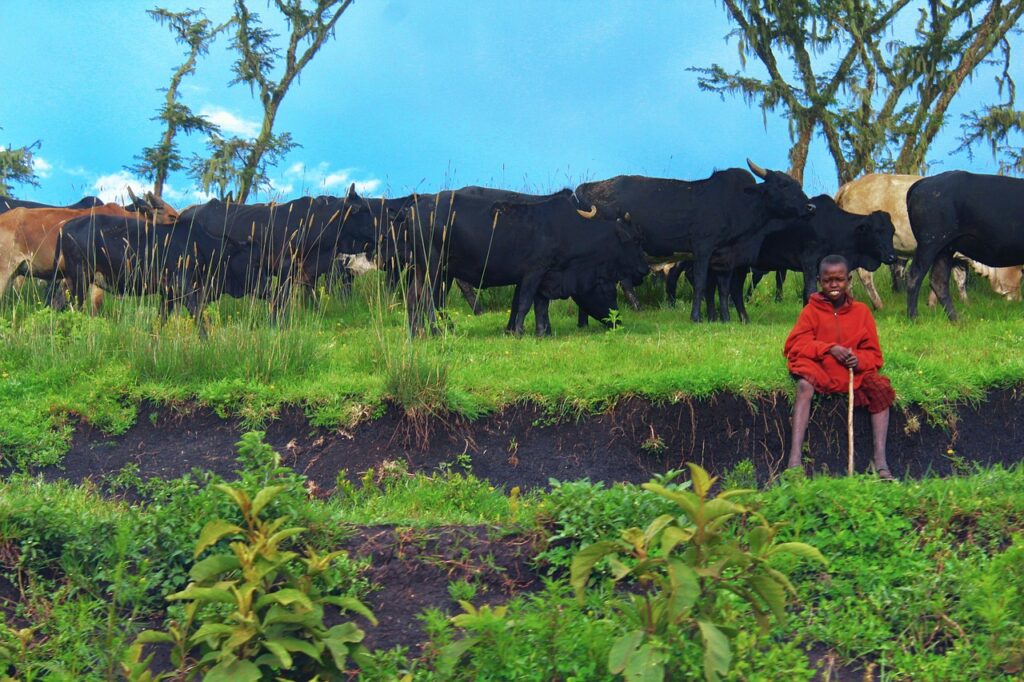
Ngorongoro means a big hole, as derived from the Maasai Language. Also, others translate Ngorongoro as the gift of life since the crater provides reliable water for wildlife and grazing even in dry times. The name of this wildlife conservation area in Tanzania, ‘’ Ngorongoro’’ was given by the Maasai people. So, they say that it came about as a result of the sounds made by the bells that the Maasai pastoralists usually put on their lead cows, since the sound they would actually make is like ‘’Ngoro, ‘’Ngoro’’.
How was Ngorongoro Crater created?
The Ngorongoro Crater was formed about 2.5 million years ago when a massive volcano collapsed in on itself, creating a huge caldera in Tanzania. Over time, it filled with soil, water, and eventually became the wildlife haven we know today. Today, Ngorongoro is the world’s largest intact, unfilled, inactive volcanic caldera.
Why is Ngorongoro Crater a natural wonder?
The Ngorongoro Crater is renowned for having been an outcome of one of the highest volcanic mountains to have ever existed. Also, it is estimated to have been standing at a height of approximately 19000 feet. So, this is why this crater is regarded as the 8th greatest wonder of the world and the largest inactive caldera.
What is the size of the Ngorongoro Crater?
The Ngorongoro Crater is approximately 260 square kilometers of the floor of the entire conservation area, which is approximately 8,292 square kilometers.
Key Size & Dimensions
- Crater floor: Approx. 260 km² (100 square miles)
- Diameter: 16–19 km (10–12 miles) across
- Depth: 400–610 m (1,300–2,000 ft) from rim to floor
- Rim elevation: About 2,300 m (7,500 ft)
- Full Ngorongoro conservation area: 8,292 km²
The steep walls (up to 610 m) create a natural barrier that keeps most animals inside year-round.
More History about Ngorongoro Crater
This crater also holds part of human evolution history with unique features like the Olduvai Gorge. So, the latter is an archeological site with evidence of ancient findings like the Paranthropus boisei, homo erevtus and the traditional tools that were used by our ancestors. Additionally, some of these tools include the hammerstones, the sharp flakes and the hand axes that were possibly used during hunting.
Even if the Ngorongoro conservation area was made a UNESCO World Heritage site in the 1979, this was changed in 2010. This is because of its one of the areas that is co-owned by the Maasai People as most of them were driven out of Serengeti National Park in 1959. So, were given part of the landownership in the Ngorongoro Conservation Area.
6 Ngorongoro Crater Facts You Should Know
1. The World’s Largest Inactive Caldera
This is one of the wonders of the earth that has been in existence for over 3 million years and the world’s largest inactive Caldera. So, it’s of a great expansive size of 260 square kilometers and it is also a lifeline of the conservation area. The crater floor is inhabited by mammals that are of a population of approximately 25000 and it is also a renowned bird’s paradise with its expansive size.
2. Ngorongoro has extremely high wildlife density
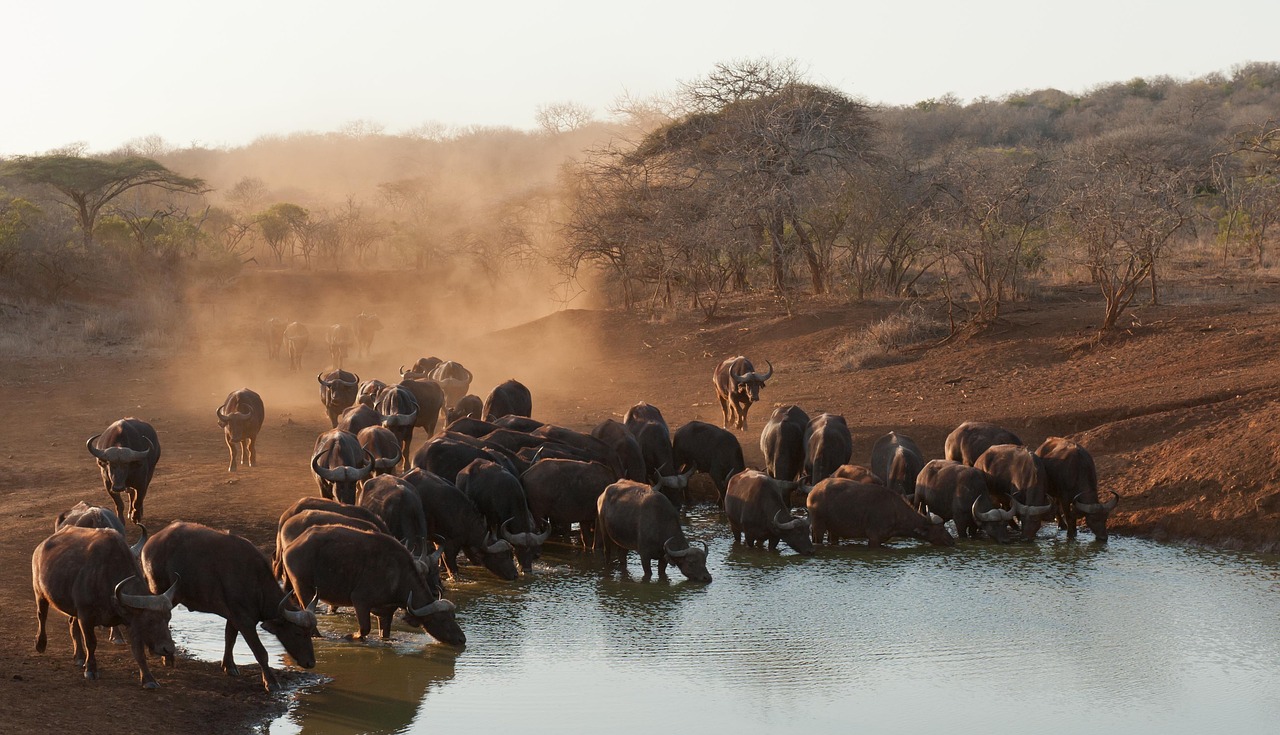
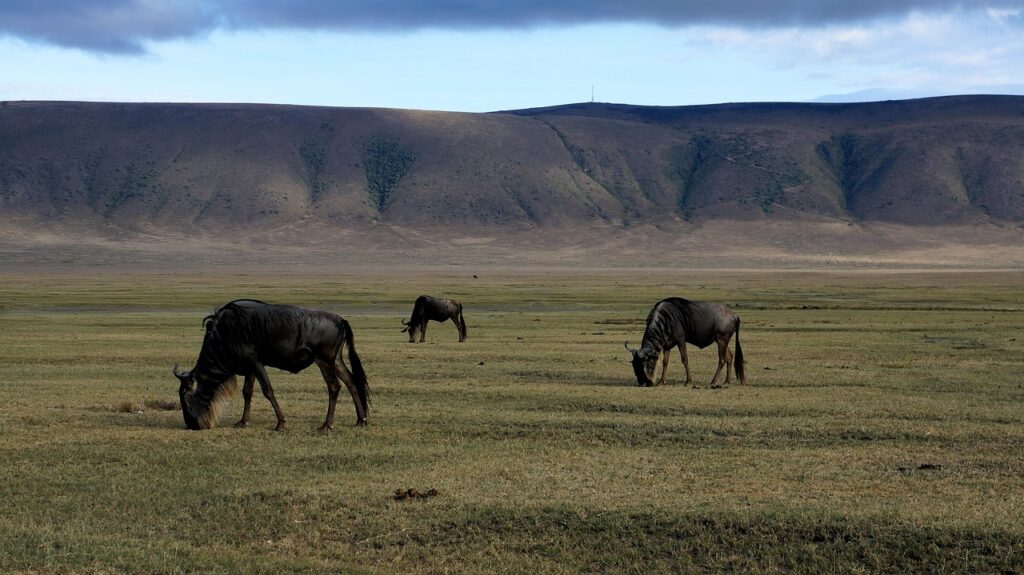
The soils around the Ngorongoro crater are very rich in nutrients. So, they support the growth of numerous plants that are for both human and wildlife consumption. Hence, this attracts animals, including mammals like the zebras and the gazelles, to settle in this area. So, the herbivores like wildebeests, etc., come to settle in this conservation area because of its nutrient-rich grasslands. Also, the predators cease the abundant food supply opportunity of prey as a result of their increase in number. The Ngorongoro Crater rim is also occupied by unique bird species like the golden-winged sunbirds, tacazze sunbirds, bar-tailed trogon, jackal buzzards, and many more. The water source, which is the crater, is a reliable water source even in dry seasons. Hence, animals in Ngorongoro do not have to move from place to place looking for water.
3. Diverse Habitats in One Area
Ngorongoro National Park has a unique terrain endowed with alkaline lakes, highland areas, and also vibrant forests. All these habitats in this Tanzania Park have different species that they can sustain for example species like the blue baboons usually live around the forested areas. Additionally, the flamingos are supported by the algae on the crater rims because they feed on only that kind of specific algae. Also, the acacia woodlands in Ngorongoro are a refuge for the elephant herds. Lastly, the swamps and the marshland are a habitat for hippos and the buffaloes. Therefore, each habitat in this park is of a contribution to the survival for different species.
4. Why No Giraffes, Impalas, Topis, Crocodiles, or African Wild Dogs in Ngorongoro National Park?
Unlike other wildlife conservation areas in Africa, Ngorongoro does not have some animals like the giraffes, impalas, topis, crocodiles and African dogs. So, this is why. The major reason why some of these animals are non-existent from the Ngorongoro conservation area is because of the physical barrier. Its terrain is characterized by steep ridges and because of the open woodlands, animals like the impalas don’t prefer staying in such kind of vegetation. Since the Ngorongoro Crater has many wild animals, there’s competition for resources, the prey. Hence, animals like the African wild dogs do not settle in this area because of the presence of many predators, as food could be insufficient for them.
5. One of the Best Places to See the Big Five in Tanzania
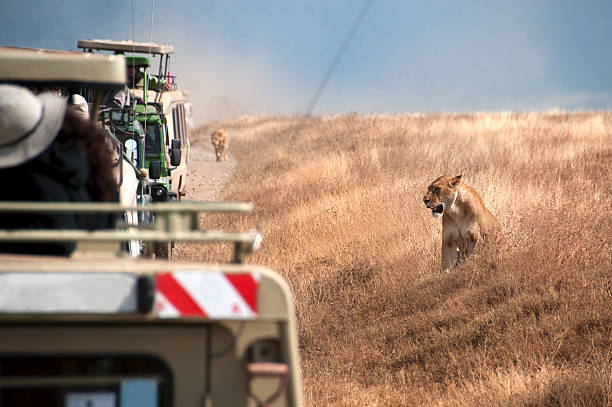
Unlike in other Tanzania National Parks where tourists have numerous game drives in order to spot the big 5, travelers can spot all these animals in just one game drive in Ngorongoro because of the high concentration of most of these animals around the crater floor. The open terrain that is Ngorongoro conservation area also makes it easy for travelers to easily have sight of the big 5 animals most especially the prides of lions, usually seen laying at the safari vehicles’ roadways.
6. The Ngorongoro Rich Cultural Heritage
The Ngorongoro, being a rich fertile land, it favors the co-existence of humans with this ecosystem. The Maasai people are prominent and have established themselves in this area for over a thousand years. Also, their culture is a unique one because they still live as if they are in the old ages. In addition, they hunt for their food and use ancient skills for fire making. The Maasai People in Ngorongoro are talented in different ways, as their architectural buildings are hand-built with mud.
Also, they have great hospitality towards visitors who are touring their land are meant to be more respectful during interaction and not take pictures without information. Besides the Maasai people, some tribes have also been in the Ngorongoro land like the Hadzabe, who are known to be one of the last remaining hunter-gatherer groups, the Iraqw and Datoga, who are renowned blacksmiths.
7. The Ngorongoro Lion Project.
This wildlife conservation area is one that has one of the largest lion populations in Africa. So, it has presented an opportunity to researchers to study the genetics of the lions. The reason it is done in Ngorongoro is that this park is not as open as the others since its enclosed by steep, high walls. Hence, this gives a chance to researchers to track down each of them from the time they are born to their time of death.
This lion project also involves the study of predator-prey dynamics. So, because of the larger population of predators that inhabit the crater floor, the researchers in Ngorongoro easily observe these interactions at their peak. This has promoted greater conservation efforts, and tourists who come here also have great knowledge provided by the professional tour guides about the different families of the lions.
8. Olduvai Gorge: Cradle of Human Evolution
Olduvai Gorge is one of the most popular pieces of evidence of human evolution that has been around for at least 2 million years. This area in Ngorongoro attracts both researchers and tourists, looking forward to a great exploration and adventure. The findings at this archeological site include ancient fossils and the ancient mechanical tools used that were used back then. The Olduvai Gorge museum is also in proximity to other rare natural wonders like the shifting sands, which area phenomenal geographical feature.