Ngorongoro Conservation Area Fees 2026
Complete breakdown of the Ngorongoro fees, crater descent costs, camping charges, activity rates, and payment methods for visiting the Ngorongoro Conservation Area
✓Updated February 2026 | Official NCAA Rates
The Ngorongoro Conservation Area has a rich biodiversity and has the largest inactive caldera in the world. Also, it’s the only host for the wildebeest calving season in Africa, the starting process for the great wildebeest migration in Tanzania. Hence, this commands payment for Ngorongoro Conservation Area fees from the visitors.
This park supports over 25000 wild animals and the Ngorongoro fees ensure proper conservation efforts and also support the local Maasai community, who are part of this ecosystem. Lastly, the Ngorongoro park entrance fees vary by nationality i.e from East African residents or Tanzanian residents or from outside East Africa (from other International Countries).
Overview: Why Are Fees Charged at Ngorongoro?
First, the Ngorongoro fees contribute to the animal research programs, especially the lion scientific research program. So, this usually incurs a lot of costs because of a lot of laboratory procedures that are required to study the genetics of these lions in Ngorongoro.
Wildlife Protection
The payment of Ngorongoro Conservation Area Fees highly contributes to the protection of ecosystems within. Also, these park entry fees contribute to the security of the wildlife in Ngorongoro; for instance, game rangers have to be paid to ensure proper monitoring of this conservation area.
Community Development
Culture is part of the top tourist attractions in Ngorongoro Crater because of the unique traditions of the Maasai people. So, travellers visit Ngorongoro National Park to explore the Maasai culture. Hence, the Ngorongoro Crater entrance fees transition their community through outreach programs they benefit from via cultural exchange.
Site Maintenance
Lastly, the Ngorongoro Conservation Area is one of the sites where human evolution history is preserved, such as the Olduvai Gorge. Therefore, through the Ngorongoro Crater Park fees, the site is well managed and properly maintained.
Visitor Management
Lastly, Ngorongoro Crater entry fees reduce visitor congestion that could lead to degradation of this environment. If there were no Ngorongoro Conservation Area park fees, people would flood this area, causing noise pollution. Therefore, by putting the entrance fees, entry into Ngorongoro is regulated, keeping peace in this ecosystem.
Ngorongoro Conservation Area Entrance Fees
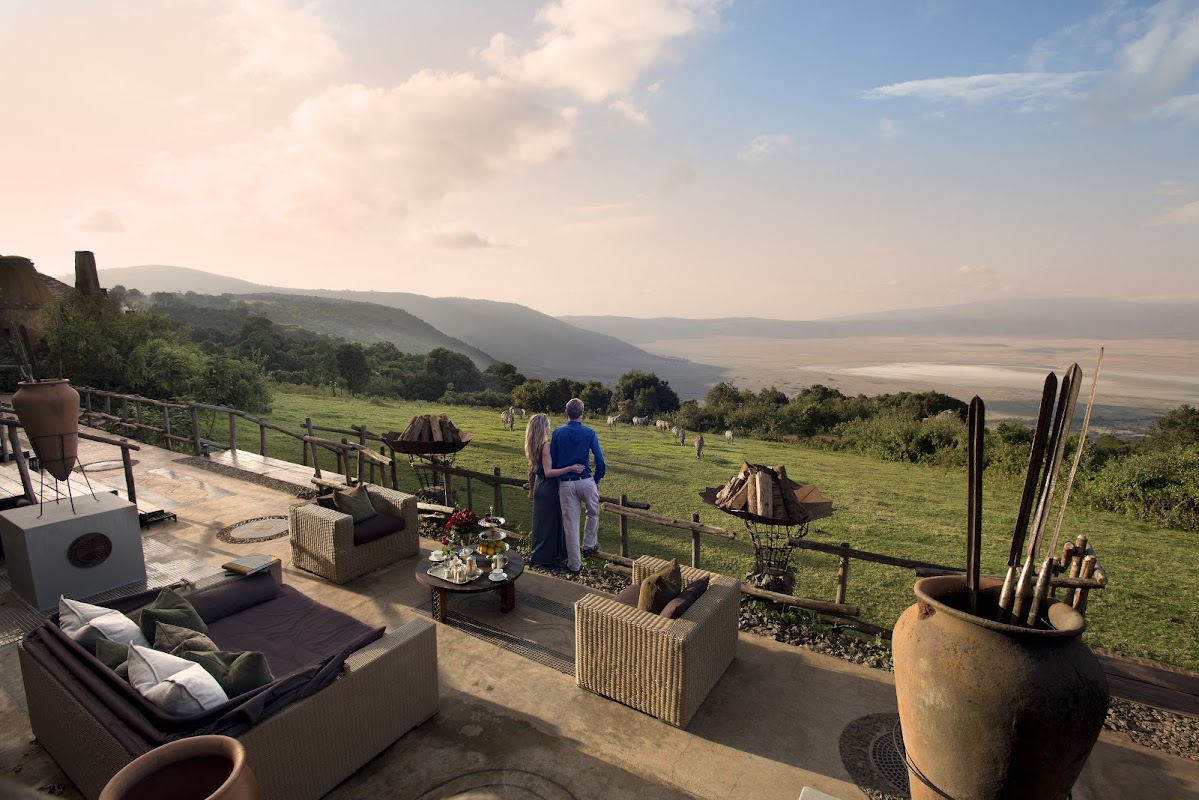
The Ngorongoro National Park entrance fee is charged per person, per day (valid for 24 hours from time of entry). The fee structure varies based on residency status and age group. Children under 5 years old enter free of charge.
Adults (16 Years and Above)
| Visitor Category | Fee (Excl. VAT) | Approx. with 18% VAT |
|---|---|---|
| Foreign Non-Residents International tourists |
USD 70.80 | USD 83.54 |
| Expatriates / Foreign Residents Living/working in Tanzania with valid permits |
USD 35.40 | USD 41.77 |
| East African Citizens Tanzania, Kenya, Uganda, Rwanda, Burundi, South Sudan |
TZS 11,800 | TZS 13,924 |
Children (5 to 15 Years)
| Visitor Category | Fee (Excl. VAT) | Approx. with 18% VAT |
|---|---|---|
| Foreign Non-Residents | USD 23.60 | USD 27.85 |
| Expatriates / Foreign Residents | USD 11.80 | USD 13.92 |
| East African Citizens | TZS 2,360 | TZS 2,785 |
24-Hour Validity Rule: Your Ngorongoro entrance permit is valid for one single entry within 24 hours from the time of first entry. If you exit the Ngorongoro Conservation Area and want to re-enter, you must purchase a new entrance permit. This applies even if you’re only transiting through Ngorongoro to reach the Serengeti.
Ngorongoro Crater Descent (Crater Service) Fee
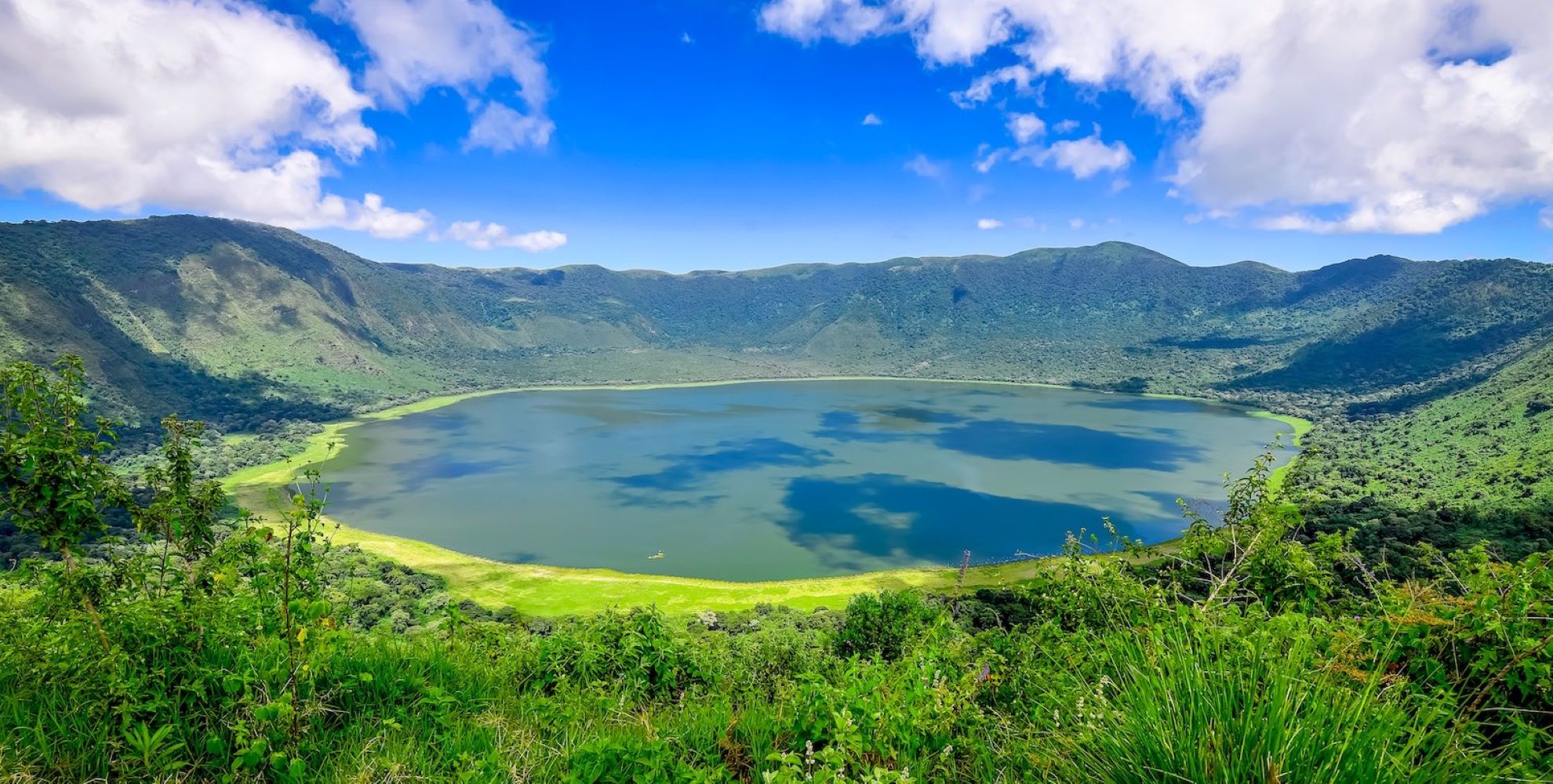
The Ngorongoro Crater is the top tourist attraction in this park because it is a life source for this ecosystem, including large mammals and birds. In addition to the conservation area entrance fee, visitors who wish to drive down into the Ngorongoro Crater floor for game drives must pay a separate Crater Service Fee. This fee is charged per vehicle, per trip (not per person) and covers the descent and ascent on the same day.
Also, the descent fees paid by visitors ensuree area is protected by an armed ranger 24/7. Also, for the crater educational programs majorly for students, and here are the fees.
| Vehicle Category | Fee (Excl. VAT) | Approx. with 18% VAT |
|---|---|---|
| All Vehicles 4×4 safari vehicles, Land Cruisers, etc. |
USD 295.00 | USD 348.10 |
Important clarifications:
- The USD 295 Ngorongoro Descent Crater fee is per vehicle, regardless of how many passengers are inside (1 person or 7 people pay the same vehicle fee)
- If you are only transiting through the Ngorongoro Conservation Area to reach the Serengeti but do NOT descend into the crater, you do NOT pay this fee
- The Ngorongoro Crater fee covers one descent and one ascent on the same day. So, you cannot descend multiple times on a single payment.
Self-Drive Visitors: If you are exploring the Ngorongoro Crater without a tour operator, you are required by NCAA regulations to hire an armed ranger. So, this ranger accompanies you on your crater descent. The ranger fee in Ngorongoro Conservation Area is approximately USD 40 (payable in cash only). Also, it is arranged at the park’s gate upon arrival. The ranger acts as a guide but does not drive your vehicle during your Tanzania self drive safari in Ngorongoro.
Camping & Accommodation Concession Fees in Ngorongoro
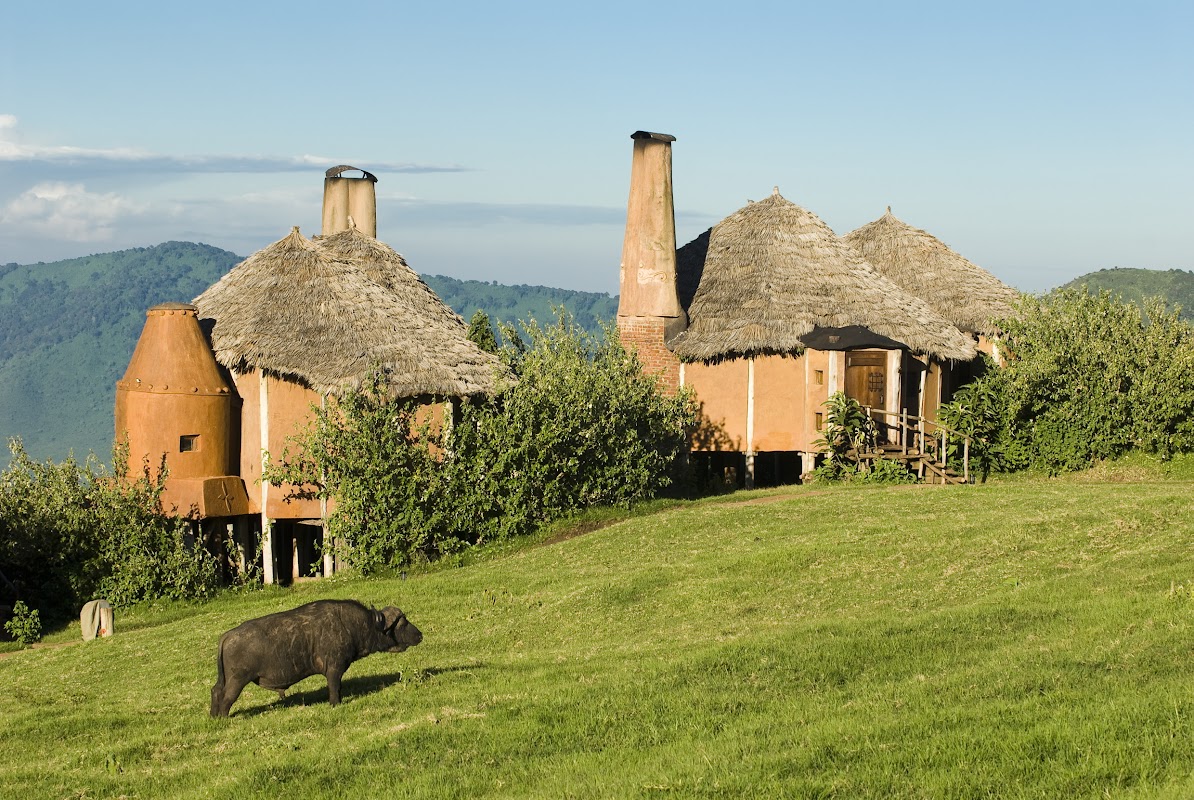
Planning to stay overnight inside the Ngorongoro Conservation Area? Whether camping or staying at a lodge, you must pay additional fees on top of the Ngorongoro gate entrance fee. These are charged per person, per night.
Camping Fees in Ngorongoro (Public & Special Campsites)
Camping in Ngorongoro gives you a different perspective of nature within the wilderness. So, you are able to have its feel from the time you wake up to the time you go back to the cozy camping tent. Camping in Ngorongoro National Park is a very intimate experience where the traveler bonds with nature. The Ngorongoro camping fees go as follows.
| Age Group | Foreign Non-Residents | East African Citizens |
|---|---|---|
| Adults (16+ years) | USD 35.40 | TZS 11,800 |
| Children (5-15 years) | USD 11.80 | TZS 5,900 |
| Children (Under 5 years) | Free | Free |
Ngorongoro Lodge Concession Fees (Lodges & Permanent Tented Camps)
Guests staying at Ngorongoro Crater lodges or permanent tented camps (such as those on the crater rim) must pay a concession fee in addition to the entrance fee and the lodge’s own accommodation rates.
| Age Group | Foreign Non-Residents | East African Citizens |
|---|---|---|
| Adults (16+ years) | USD 59.00 | TZS 35,400 |
| Children (5-15 years) | USD 11.80 | TZS 11,800 |
| Children (Under 5 years) | Free | Free |
Money-Saving Tip: Staying at lodges outside the Ngorongoro (such as in Karatu town) allows you to avoid the USD 59 per night concession fee. You can do day Ngorongoro trips into the crater from Karatu and only pay the entrance and crater descent fees, a significant saving for multi-night stays.
Ngorongoro Activity-Based Fees
Beyond game drives, the Ngorongoro Conservation Area offers several additional activities, each with its own fee structure. Additional activities to do in Ngorongoro include walking safaris, bush lunch experiences, Olduvai Gorge tours, filming and photography.
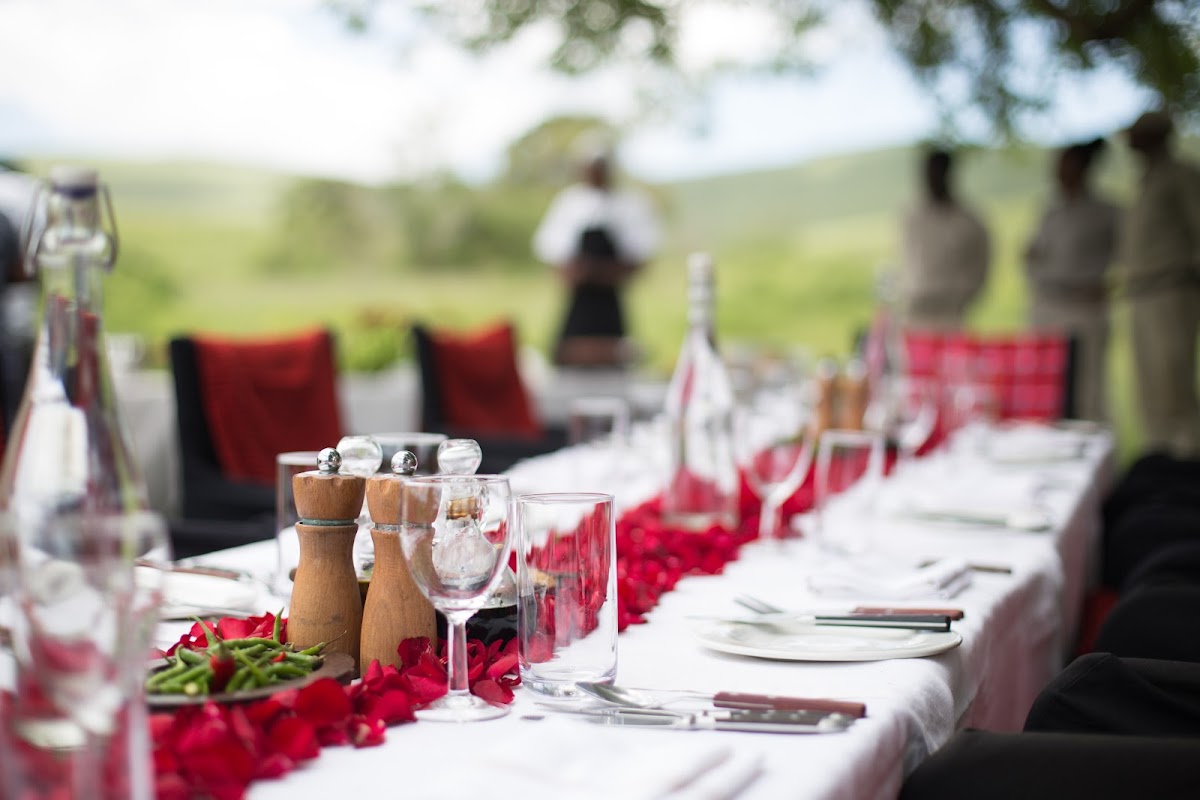
Ngorongoro Walking Safari Fees
Guided walking safaris in Ngorongoro allow visitors to explore the crater highlands, forests, and Empakaai Crater on foot. Ngorongoro Conservation Area fees are charged per person, per walk.
| Age Group | Foreign Non-Residents | East African Citizens |
|---|---|---|
| Adults (16+ years) | USD 23.60 | TZS 11,800 |
| Children (5-15 years) | USD 11.80 | TZS 5,900 |
Olduvai Gorge Museum Fees
The Olduvai Gorge, often called the “Cradle of Mankind,” is one of the world’s most important paleoanthropological sites. The museum showcases human fossils, ancient stone tools, and the evolutionary history of humankind. Entry fees to the Olduvai Gorge Museum in Ngorongoro are charged separately.
| Age Group | Foreign Non-Residents | East African Citizens |
|---|---|---|
| Adults (16+ years) | USD 35.40 | TZS 5,900 |
| Children (5-15 years) | USD 11.80 | TZS 1,180 |
Bush Lunch Permit
If your tour operator arranges a picnic lunch inside the crater (typically at Ngoitokitok Springs or other designated sites), a bush lunch permit may be required at the discretion of the Conservation Commissioner. Pre-cooked meals served warm are allowed. Check with your operator for current requirements when planning your Ngorongoro Crater safari.
Filming & Photography Permits
Professional filming crews (directors, cameramen, sound technicians, lighting crews, etc.) must obtain special permits. The Ngorongoro fee is USD 354.00 per person, per day. Also, this fee covers entry, camping, guiding, and filming. Lastly, these Ngorongoro Park fees exclude the crater service fee and vehicle fees, which must be paid separately.
Vehicle and Transit Fees in Ngorongoro
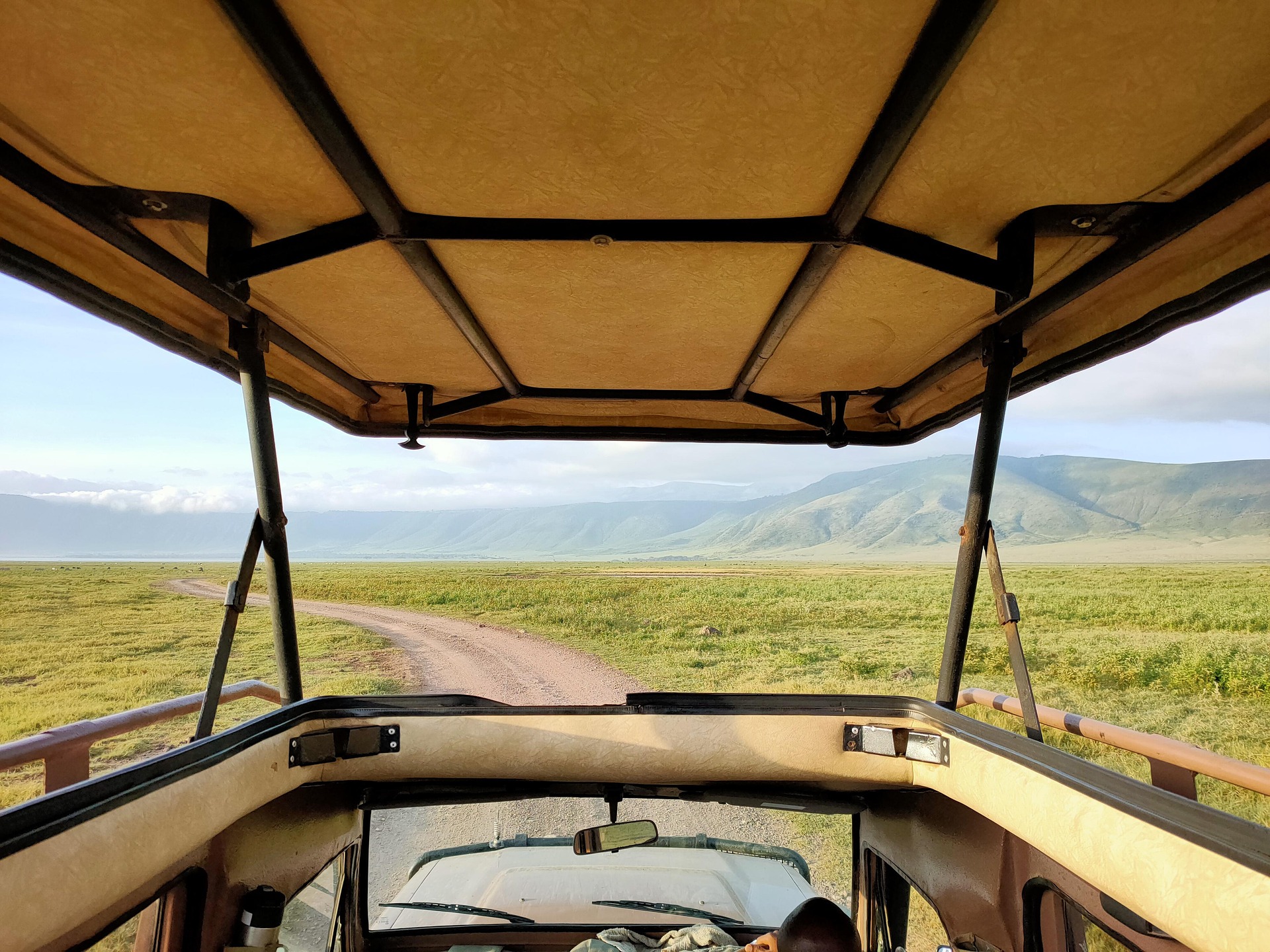
All vehicles entering the Ngorongoro Conservation Area must pay a daily vehicle entry fee. So, this is regardless of whether they descend into the crater or are merely transiting through to the Serengeti National Park.
Vehicle Entry Fees in Ngorongoro Conservation Area
| Vehicle Type | Fee (Excl. VAT) | Approx. with 18% VAT |
|---|---|---|
| Light Vehicles (e.g., Suzuki, small 4×4) | USD 10.00 | USD 11.80 |
| Heavy Vehicles (e.g., Land Cruiser, safari truck) | USD 20.00 | USD 23.60 |
Aircraft Fees
Aircraft landing at airstrips within the Ngorongoro Conservation Area are subject to landing fees. Contact the NCAA directly for current rates and permit requirements.
Transit Fee Important Note: If you are driving from Arusha to Serengeti via the Ngorongoro Conservation Area (the most common route), you must pay the full entrance fee each way. Even if you do not stop for game viewing. So, the only way to avoid this transit fee is by entering/exiting the Serengeti via Klein’s Gate in the northeast, which routes through Lake Natron instead.
Ngorongoro Safari Cost Calculator: Real Safari Examples
To help you budget for your Ngorongoro safari accurately, here are three realistic scenarios showing total daily costs per person.
Example 1: Ngorongoro Day Trip from Karatu (No Overnight Stay)
Scenario: 2 foreign tourists, 1 safari vehicle, descending into the crater for a game drive, returning to Karatu the same day.
TOTAL FOR 2 PEOPLE
Example 2: One Night at at the Ngorongoro Crater Rim Lodge
Scenario: 2 foreign tourists staying overnight at Ngorongoro Crater Lodge or similar, 1 crater descent.
TOTAL FOR 2 PEOPLE (excl. lodge room rates)
Example 3: Transit Through Ngorongoro to Serengeti National Park
Scenario: 2 foreign tourists driving from Arusha to Serengeti via Ngorongoro (no crater descent, just transit).
TOTAL FOR 2 PEOPLE
Ngorongoro Fees Payment Methods
The Ngorongoro Conservation Area Authority (NCAA) has specific payment requirements for the fees. Also, note that cash is NOT accepted at park gates for entrance fees. Here are your payment options:
Accepted Payment Methods
- ✓Credit/Debit Cards at the Gate: Visa and Mastercard are accepted at NCAA entrance gates. An 18% VAT charge is automatically added.
- ✓Prepaid CRDB Bank Cards: CRDB (Cooperative Rural Development Bank) cards can be purchased at bank branches in Arusha, Moshi, Iringa, and Musoma. Load the card with the required amount and present it at the gate.
- ✓Tour Operator Payment: Most safari companies, including Tanzania National Parks and Serengeti Masai Mara Experts, include all park fees in your Ngorongoro Crater safari cost. Also, they handle payment on your behalf, the easiest and most common option.
- ✓Bank Transfer (Advance Payment): Some visitors to Ngorongoro arrange bank transfers directly to the NCAA in advance and bring the receipt or serial number to the gate.
Ngorongoro Entry Requirements & Conservation Rules
To enter the Ngorongoro Conservation Area, all visitors must comply with the following requirements and regulations:
✓ Mandatory Entry Requirements
- ✓Valid Identification: All visitors to this park must present a valid national ID card or passport at the gate. Entry is denied without proper ID.
- ✓Valid Entry Permit: Ngorongoro Entry Permits are issued for 24 hours only and are valid for a single entry. Re-entry tothis park requires a new permit.
- ✓Approved 4×4 Vehicles Only: Only 4×4 safari vehicles weighing up to 3,500 kg are permitted. Drivers must stay on designated roads and tracks within the Ngorongoro Conservation Area at all times.
- ✓No Plastic Bags: Single-use plastic bags and non-biodegradable items are strictly prohibited in the conservation area. Carry reusable bags instead.
- ✓Armed Ranger for Self-Drive Crater Visits: Self-driving visitors descending into the Ngorongoro Crater must hire an armed park ranger (approx. USD 40, cash only) at the gate.
Prohibited Activities & Penalties in Ngorongoro Conservation Area
| Offence | Penalty |
|---|---|
| Off-road driving | TZS 118,000 fine |
| Wrong parking / obstruction | TZS 118,000 fine |
| Fraud or misrepresentation | 100% penalty on top of applicable fees |
| Littering or leaving waste | Subject to fines and possible ejection |
Frequently Asked Questions (FAQ)
Do children under 5 pay any fees?
No. Children under 5 years old are exempt from all entrance, camping, and concession fees at Ngorongoro Conservation Area. This applies to all visitor categories.
Can I pay in cash at the Ngorongoro gate?
No. Cash is not accepted for entrance fees at the Ngorongoro gate. You must pay using a credit/debit card (Visa or Mastercard), a prepaid CRDB bank card. Or have your tour operator arrange payment on your behalf. The only cash payment allowed is for hiring the armed ranger (USD 40) if you are self-driving into the Ngorongoro Crater.
Is the USD 295 crater fee per person or per vehicle?
The USD 295 crater descent fee in Ngorongoro is per vehicle, not per person. Whether you have 1 passenger or 7 passengers, you pay USD 295 (plus 18% VAT) for the vehicle. This makes Ngorongoro group safaris in Tanzania much more economical.
Do I need to pay Ngorongoro fees if I'm only transiting to the Serengeti?
Yes. Even if you are only driving through the Ngorongoro Conservation Area without stopping for game viewing, you must pay the full entrance fee and vehicle fee. The only Ngorongoro fee you avoid is the crater descent fee (since you won’t be descending). To bypass Ngorongoro entirely, enter/exit the Serengeti via Klein’s Gate.
Are Ngorongoro Park fees refundable if I cancel my trip?
No. All Ngorongoro fees paid to the park’s Authority are non-refundable under any circumstances. So, this includes illness, weather, vehicle breakdown, or changes in travel plans.
What is the difference between 'expatriate' and 'foreign non-resident'?
An expatriate/Foreign Resident refers to foreign nationals who are legally living and working in Tanzania. So, have valid work permits, residence permits, or similar documentation (including their spouse and children). Foreign Non-Resident refers to international tourists visiting Tanzania on a tourist visa.
How long does it take to descend into the Ngorongoro Crater?
The descent takes approximately 20-30 minutes on steep, winding roads. Once on the crater floor, most visitors spend 4-6 hours on game drives before ascending. The entire Ngorongoro Crater rim descent experience typically lasts 6-8 hours.
Can I self-drive in Ngorongoro Conservation Area?
Yes, but with restrictions. You must have a 4×4 vehicle, valid permits (which must be arranged through a tour operator, not purchased at the gate). Also, you must hire an armed park ranger (USD 40) if descending into the crater. The ranger in Ngoronoro guides you but does not drive your vehicle.
Are the Ngorongoro Conservation Area fees the same in high season and low season?
Yes. Park entrance fees, crater descent fees, and concession fees remain the same year-round. However, lodge accommodation rates typically drop by 30-50% during the low season in the park (March-May and November).
Plan Your Ngorongoro Safari Today
Now that you understand the Ngorongoro Conservation Area fees structure, you’re ready to plan your visit to one of Africa’s most spectacular wildlife destinations. Contact a reputable tour operator (Tanzania National Parks) to arrange your permits and experience the magic of the Ngorongoro Crater.