Wildlife in Ngorongoro: Big Five & Animals Complete Guide (2026)
A UNESCO World Heritage Site and Africa’s most densely populated wildlife ecosystem, the Ngorongoro Crater is home to over 25,000 animals. So, this includes all of the Big Five within a single self-contained volcanic caldera. The varying terrain of the Ngorongoro has numerous wildlife habitats, like the montane forests in the highlands of this wildlife conservation area.
Also, the short grass is enriched with nutrients that are consumed by the herbivores, including the wildebeests, during the calving season. The alkaline Lake Magadi sustains the lives of the birds that feed on its algae. Additionally, the acacia woodlands are the common habitat of the rare black rhinoceros wildlife in Ngorongoro. Lastly, the swamps and marshes in Ngorongoro offer a unique contribution to the sustainability of this ecosystem in Tanzania.
25,000+
Animals
500+
Bird Species
260 km²
Crater Floor
Big 5
All Present
Overview: Wildlife in Ngorongoro
The Ngorongoro Conservation Area in northern Tanzania is one of Africa’s most extraordinary wildlife destinations. Formed over two to three million years ago when a massive volcano collapsed inward. The resulting caldera, the world’s largest intact volcanic caldera, created a natural enclosure measuring approximately 260 km² (100 square miles) with walls rising 600 metres above the crater floor. This bowl-like geography keeps wildlife concentrated within a single, self-sustaining ecosystem. Hence, making it one of the easiest places in Africa to visit for wildlife safari tours.
The crater’s permanent water sources, including springs, swamps, and the alkaline Lake Magadi, provide year-round sustenance for wildlife in Ngorongoro. Hence, drawing animals from as far as the neighbouring Serengeti National Park, particularly during the dry season when rivers outside the crater run low. The total wildlife population in Ngorongoro is estimated at 26,000 to 28,000 individuals. So, this includes all of the African Big Five in Tanzania: lions, leopards, elephants, Cape buffaloes, and the critically endangered black rhinoceros.
One notable absence inside the crater is the giraffe. While giraffes roam the wider Ngorongoro Conservation Area, particularly around Lake Ndutu, the steep descent into the caldera makes it inaccessible to them. Topis and some antelope species are also rarely seen on the Ngorongoro crater floor for similar terrain-related reasons.
UNESCO World Heritage Site: Ngorongoro Conservation Area has been a UNESCO World Heritage Site since 1979. So, it is recognised for both its extraordinary biodiversity and its cultural significance, the Maasai people have coexisted with the wildlife here for centuries. These graze their cattle alongside zebras and wildebeests on the ngorongoro crater floor. Check out the Ngorongoro Facts and History.
Wildlife Habitats in Ngorongoro
The diversity of wildlife in Ngorongoro Conservation Area is made possible by the crater’s range of distinct habitats, each supporting a unique set of species. Understanding where each animal’s habitat is located helps you plan a more rewarding game drive safari in the Ngorongoro Crater.
🌿 Short-Grass Plains
Nutrient-rich grasslands cover most of the Ngorongoro Crater floor. Primary feeding ground for wildebeests, zebras, Thomson’s gazelles, and warthogs and the hunting ground for lions and cheetahs.
🌲 Lerai Forest
A fever-tree (acacia) woodland near the crater’s southern edge. Favoured by bull elephants, lions, and leopards. One of the best wildlife spots in Ngorongoro to observe large-tusked elephants at close range.
💧 Lake Magadi
A shallow, alkaline soda lake in the Ngorongoro’s southwest. The algae-rich waters sustain flocks of lesser flamingos and attract wading birds—one of the most photogenic spots for animals in Ngorongoro.
🌊 Gorigor Swamp
A large marshland in the south of the Ngorongoro Conservation Area floor. Also, it is a home to hippos and buffalo herds within this park. Bull elephants frequently wade here, and black rhinos have been spotted nearby.
🌺 Ngoitokitok Springs
A natural spring and hippo pool in the eastern crater. A popular picnic site for visitors. Hippos, warthogs, buffalo, and water birds in Ngorongoro National Park are regularly seen here throughout the day.
🏔️ Mandusi Swamp
Located in the northern Ngorongoro Crater floor. Additionally, this is the most reliable area to spot the endangered black rhinoceros. Best visited in the early morning when rhinos are most active.
The Big Five Animals in Ngorongoro
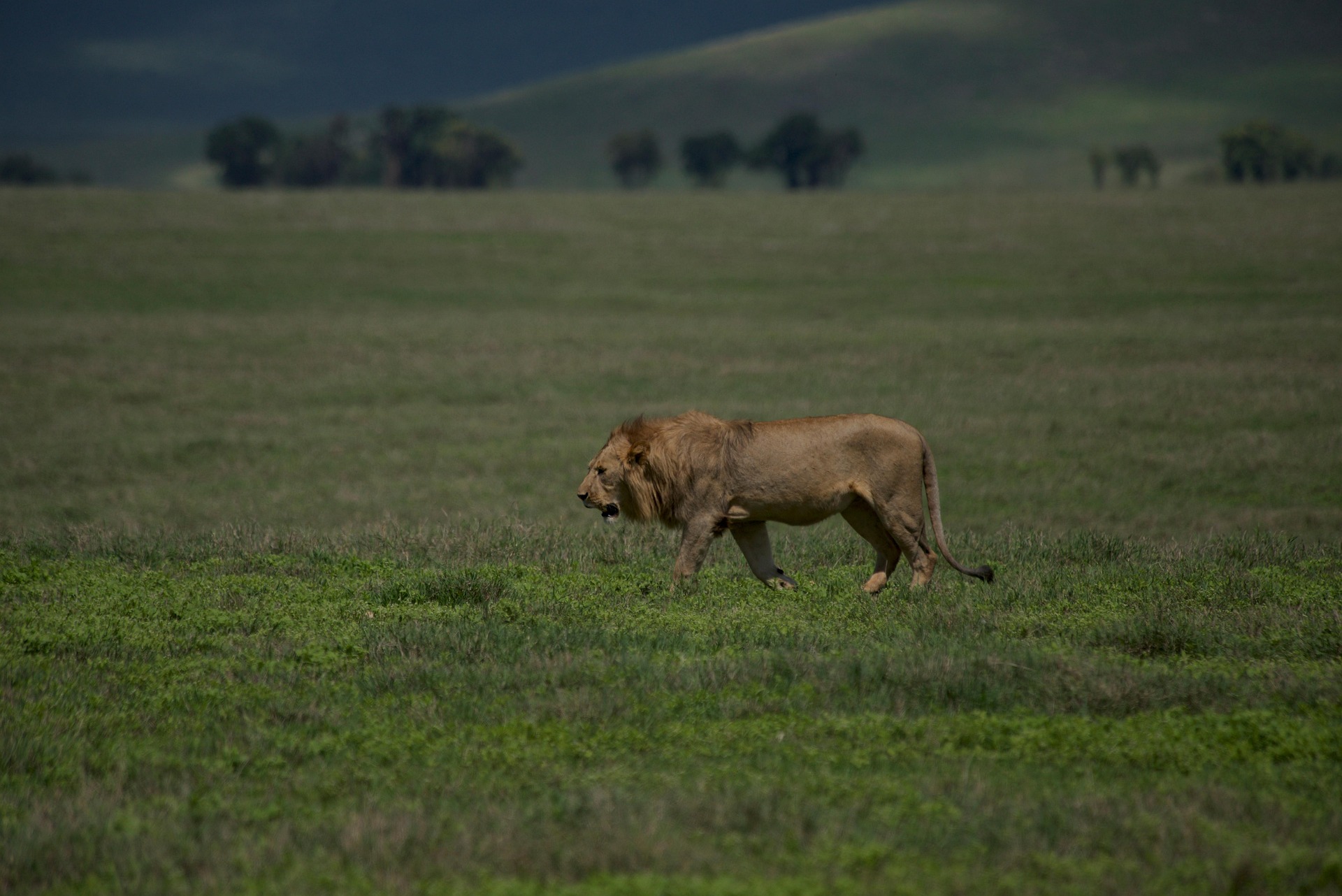
The Ngorongoro Conservation Area is widely regarded as Tanzania’s best Big Five destination. The compact, enclosed environment means that most Tanzania big five animals in Ngorongoro can be encountered in a single game drive. Here is what to expect from each of the Big Five animal in Ngorongoro:
1. Lion
Ngorongoro holds one of the highest lion densities on Earth, estimated at around 75–80 individuals. Because the crater walls limit the movement of outside males into the gene pool, the resident population has become somewhat genetically isolated. Hence, these lions in Ngorongoro are a subject of ongoing scientific research. Lions are frequently seen resting beside safari vehicles on crater roads, socialising in prides, or actively hunting on the open plains. Best viewing spots for these animals in Ngorongoro Crater include the Lerai Forest and the Munge River area.
Where to find them: Lerai Forest, Munge River, open grasslands
2. Black Rhinoceros
The black rhino is the star tourist attraction in Ngorongoro Crater and one of the most sought-after sightings in Africa. Critically endangered globally, the crater currently supports an estimated 20–50 black rhinos, closely monitored by conservation authorities. They are most active in the early morning hours, when they can be found grazing, walking, or wallowing near the Mandusi Swamp and Lerai Forest. Binoculars and an experienced guide are essential for a reliable black rhino sighting.
Where to find them: Mandusi Swamp, Lerai Forest
3. Elephant
The bull elephants of Ngorongoro are famous for their exceptionally large tusks, a result of the crater’s nutrient-rich soils providing an ideal diet. Elephant herds rarely descend into the Ngorongoro Crater, but lone bulls and small groups are a common sight. The latter are particularly found around the Lerai acacia woodlands and the Gorigor Swamp, drinking, bathing, and browsing. An estimated 30 or more elephants currently reside in the Ngorongoro National Park.
Where to find them: Lerai Forest, Gorigor Swamp, acacia woodlands
4. Leopard
The leopard is the most elusive of the Big Five animals in Ngorongoro. Facing stiff competition from lions and spotted hyenas for food and territory, leopards prefer to stay concealed in steep, wooded terrain. They are nocturnal by nature. So an evening game drive, where regulations allow, significantly improves your chances of a sighting of leopards in Ngorongoro. Look for them along the crater’s highland ridges and in dense acacia cover. Ngorongoro leopards tend to have thicker coats than their lowland cousins, adapted to the cooler highland elevations.
Where to find them: Steep crater ridges, highland forest edges
5. Cape Buffalo
One of the most abundant large mammals in Ngorongoro, with an estimated population of around 4,500 individuals. Buffalo are frequently seen grazing in large herds across the open grasslands, wallowing in the Gorigor Swamp. Or sheltering in the shade of the Lerai Forest. The calving season of these big five animals in Ngorongoro overlaps closely with that of the wildebeest (roughly January to February). Hence, allows visitors to Ngorongoro Conservation Area to witness the births of both species in the same game drive.
Where to find them: Open grasslands, Lerai Forest, Gorigor Swamp
Herbivores & Other Mammals in Ngorongoro
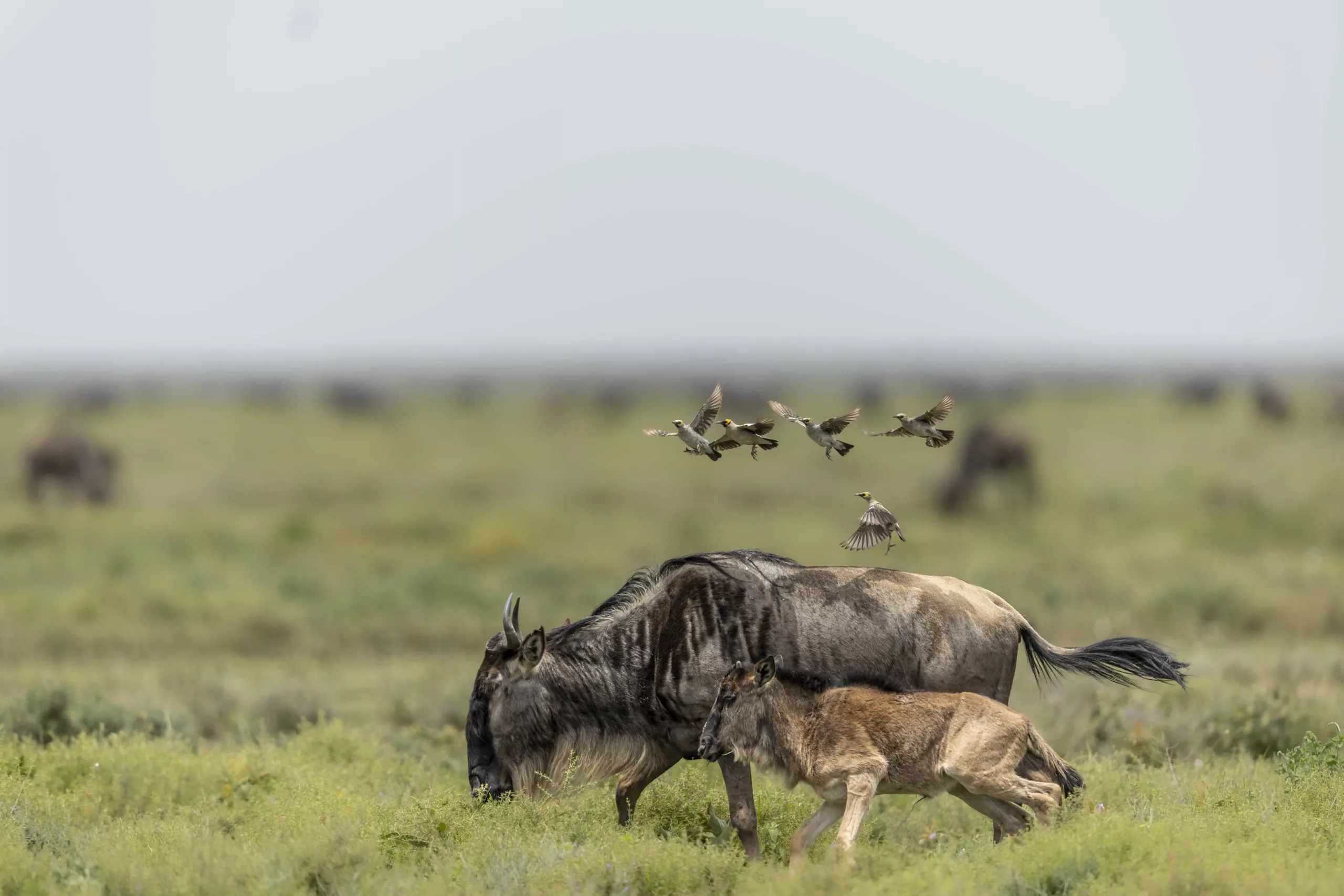
Wildebeests in Ngorongoro National Park.
This is one of the greatest wildlife attractions to see in the Ngorongoro conservation area. Most especially during the calving season from January to February, when thousands of wildebeests are given birth to. Also, there are approximately 16000 individuals in this crater area that stay here but take part when calving occurs, unlike other wildebeests that move from the Serengeti to Masai Mara. So, observe these wildebeests feeding alongside the zebras, and this is because the zebras eat the taller grass and leave the shorter grass that is eaten by the wildebeests.
The hippos.
Hippopotamuses are normally found in the wetlands of the Ngorongoro around Ngoitokitok Springs, Mandusi swamp, and Thig Gorigor swamp. Additionally, the estimated population size of hippos in Ngorongoro is about 450 individuals all around the crater rim. Some live in pods of smaller groups of about 10 individuals to the bigger groups of 30 individuals. Due to the nutrient-rich grass in Ngorongoro, hippos in this park are bigger compared to other hippos in other Tanzania National Parks. Also, travelers who have arranged picnics near the hippo pods usually see these animals in Ngorongoro Crater submerged in the water.
Warthog.
The Warthogs can be sighted in any part of the Ngorongoro conservation area since they prefer open areas where they can easily spot the predators. Also, what makes these warthogs in this area unique from other herbivores is the fact that they feed while grazing. So, observe this during the game drive safaris in Ngorongoro National Park. An incredible photographic sighting where warthogs are usually concentrated in Ngorongoro is the Ngoitokitok Springs. So, travelers could sit at this site as they enjoy their picnic lunch together, as they enjoy other things to do in Ngorongoro, like photography.
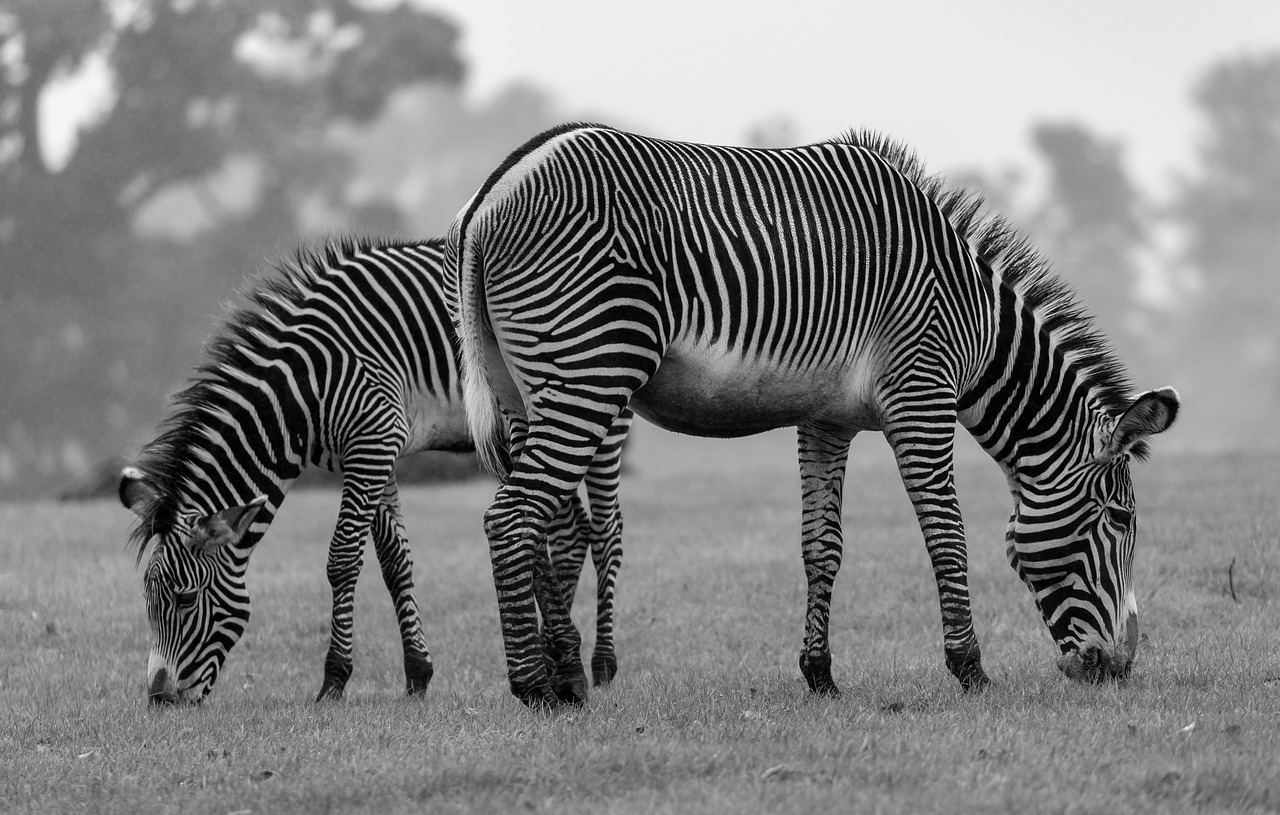
Zebras.
The Zebras are usually also spotted grazing in the open grasslands of the Ngorongoro. Also, they are estimated to be about 5000 zebras in the Ngorongoro region. In addition, zebras are one of the wildlife species in Ngorongoro that form stronger bonds with each other through mutual grooming. Tourists usually observe their unique mechanisms where the zebras run simultaneously to confuse their pursuer. So, this indicates that these species are very intelligent animals.
Spotted Hyena & Other Predators
The spotted hyena is an exceptionally common animal in the Ngorongoro Conservation Area. Additionally, some estimates place the hyena population above 6,000. Hence, making the Ngorongoro Crater one of the places with the highest densities of hyenas anywhere in Africa. These Ngorongoro wildlife species in Tanzania hunt in organised clans, particularly at night, and their whooping calls echo across the crater after dark. Other predators present on the Ngorongoro Crater floor include cheetahs, golden jackals, black-backed jackals, bat-eared foxes, and, more rarely, servals and African wild dogs.
Thompson gazelles.
These animals are usually sighted with other herbivores, most especially the wildebeests. So, this is because they also feed on the shorter grasslands. The Thompson gazelles are of a high density as their population is estimated to be about 450000. During the wildlife safaris in Ngorongoro, travelers spot at least one of them sprinting to save themselves from a predator like a lion/cheetah. So, in some cases, they usually escape from the predators because of how physically fit they are.
Birds in Ngorongoro Conservation Area
Kori bustard.
This is one of the heaviest bird species not only in Ngorongoro but also globally. The Kori bustard is usually sighted at the shallow areas of the crater or even in the swampy marshlands of this conservation. Additionally, these birds feed on the worms, insects and even lizards. These are one of the amazing bird species in Ngorongoro Crater as they show territorial exhibits as the males usually compete for females by dancing.
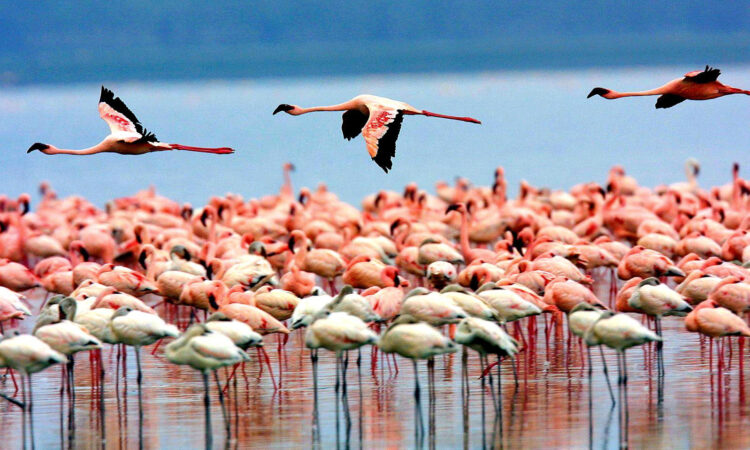
The flamingos.
The Flamingo birds in Ngorongoro are mainly inhabit the crater rim while others are seen at the shorelines of the Lake Magadi. The latter is a breeding ground for flamingoes because of the algae which is the main food consumed by these birds. So, this is where they get their pink color from. The flamingoes complement Lake Magadi and crater shores with their beauty creating a breathtaking ambiance that is exclusive for photographic captures.
Ngorongoro has a wide variety of wildlife and not all can be exhausted. The wildlife in Ngorongoro listed above should give one a picture of how this eco-system is a life support for a variety of species.
Tip: When going on a trip to Ngorongoro Conservation Area for wildlife safari, arrive at the crater gate when it opens at 6:00 AM. Early morning offers the best light for photography, the most animal activity, and the lowest crowd levels. Hire a guide from Tanzania National Parks or Serengeti Masai Mara Experts who knows the individual territories of the wildlife in Ngorongoro Crater.
Best Time for Wildlife Safaris in Ngorongoro
One of Ngorongoro’s most compelling qualities is that wildlife viewing is rewarding at any time of year. The permanent water sources including Lake Magadi and enclosed ecosystem mean that animals never fully leave the crater. Nevertheless, the best months for wildlife safaris in Ngorongoro begin from July to September during the dry season. So, wildlife viewing is made easier by the less obstructions that are present for instance the grass is shorter and thinner.
Hence, travelers spot the predator huntfrom the time a cheetah/lion stalks its prey to the cat and mouse chase in this park. Also, Ngorongoro National Park becomes a safe haven for different wildlife during this time as wild animals in the surrounding areas like the Serengeti become limited to water and food supply. Therefore, they opt for Ngorongoro Conservation Area that has adequate resources during months from July to September .
Least Ideal Time for Wildlife Safaris in Ngorongoro
While Ngorongoro can be visited year-round, March to May represents the long rainy season. So, this is generally considered the most challenging period and worst time for a wildlife safari in Ngorongoro. This period has heavy downpours which causes the routes to some accommodation facilities like the Ngorongoro Crater lodge become hardly accessible because of the floods.
Also, grasslands around the Ngorongoro Conservation Area become thicker and make spotting predators like the lions and smaller animals like the bush bucks harder. Hence, making the wildlife safaris in Ngorongoro not as adventurous in those months compared to the dry season.