Worst and Best Time to Visit Ngorongoro Crater in 2026: Ultimate Guide
In this comprehensive guide, we’ll break down the best and worst time to visit Ngorongoro Crater in Tanzania based on weather, wildlife, crowds, and costs. Drawing from expert insights and seasonal patterns, we’ll help you decide when to go for photography, or budget-friendly trips and optimal game drives in Ngorongoro Conservation Area.
However much Ngorongoro is known for having the largest inactive caldera worldwide, it is also a natural paradise for the wild animals in Tanzania. So, it is conducive for sightseeing tours in Tanzania during the worst and best time to visit Ngorongoro Crater because of how phenomenal its landscapes. Also, they include the lush riverine forests like the Lerai forest, breathtaking highlands like the Ol Doinyo Lengai and more.
Quick Overview: Best, Good, and Worst Times to Visit Ngorongoro Crater
Best Time: June through October is the best time to visit Tanzania for a Ngorongoro Crater safari for most people. The grass stays short, animals bunch up around the waterholes, and you get clear, easy sightings of lions, rhinos, and everything else. The sky stays blue, the light is gorgeous for photos, and game drives in the Ngorongoro feel effortless. January and February are another strong choice, especially if you love drama in this Tanzania Park. That’s peak calving season in Ngorongoro. Thousands of wildebeest babies hit the ground every day, and the big cats show up to feast. The action is non-stop and unforgettable.
Good Time: November and December work well, too, during your Ngorongoro safari. You’ll see fewer vehicles, greener scenery after the short rains, and the first wildebeest herds rolling in from the north during the big migration in Tanzania. It’s quieter and still very rewarding.
Worst Time: March to May? That’s the long rainy season in Ngorongoro Conservation Area and usually the one to skip. Heavy downpours turn tracks into mud, visibility drops, and some roads can close. That said, if you’re a serious birder or want rock-bottom lodge rates with almost no other tourists, this window has its fans.
Bottom line: the Ngorongoro Crater always has animals because water never fully dries up. You can visit any month and still see incredible stuff. But pick June to October or January to February when visiting Ngorongoro and the experience just clicks into place faster and feels more spectacular. Now that you know the seasons, let’s talk about the actual itinerary that makes the most of whichever window you choose.
Why Visit Ngorongoro Crater during the best or worst times?
Visiting Ngorongoro during the worst and best months for a safari allows tourists with an extraordinary wildlife adventure. So, this presents an opportunity to explore a high density of wildlife in Ngorongoro National Park. Also, this is all just concentrated in just one place, unlike in other Tanzania National Parks where its hard to observe animals like the big five, like lions, leopards, buffaloes, rhinos and elephants. So, in just one game drive in the Ngorongoro, you can see animals usually congregated at the crater rim. Hence, there are higher chances of also seeing rare species like the black rhino in Ngorongoro Crater during either the worst or best times to visit the park.
Venturing into the Ngorongoro Crater offers a chance to learn about the human historical background in Tanzania. Also, travelers get an intimate experience of a new kind of culture of the Maasai people that co-exist in the same land as the distinct endemic and wildlife species. The Ngorongoro also has the largest inactive a caldera that hardly runs dry even in the dry season. So, this guarantees water supply for wildlife all year. Hence, visitors are not limited to the timing and season to visit the Ngorongoro, so they can visit the park in the best and worst times (All year round).
Best Time to Visit Ngorongoro Crater
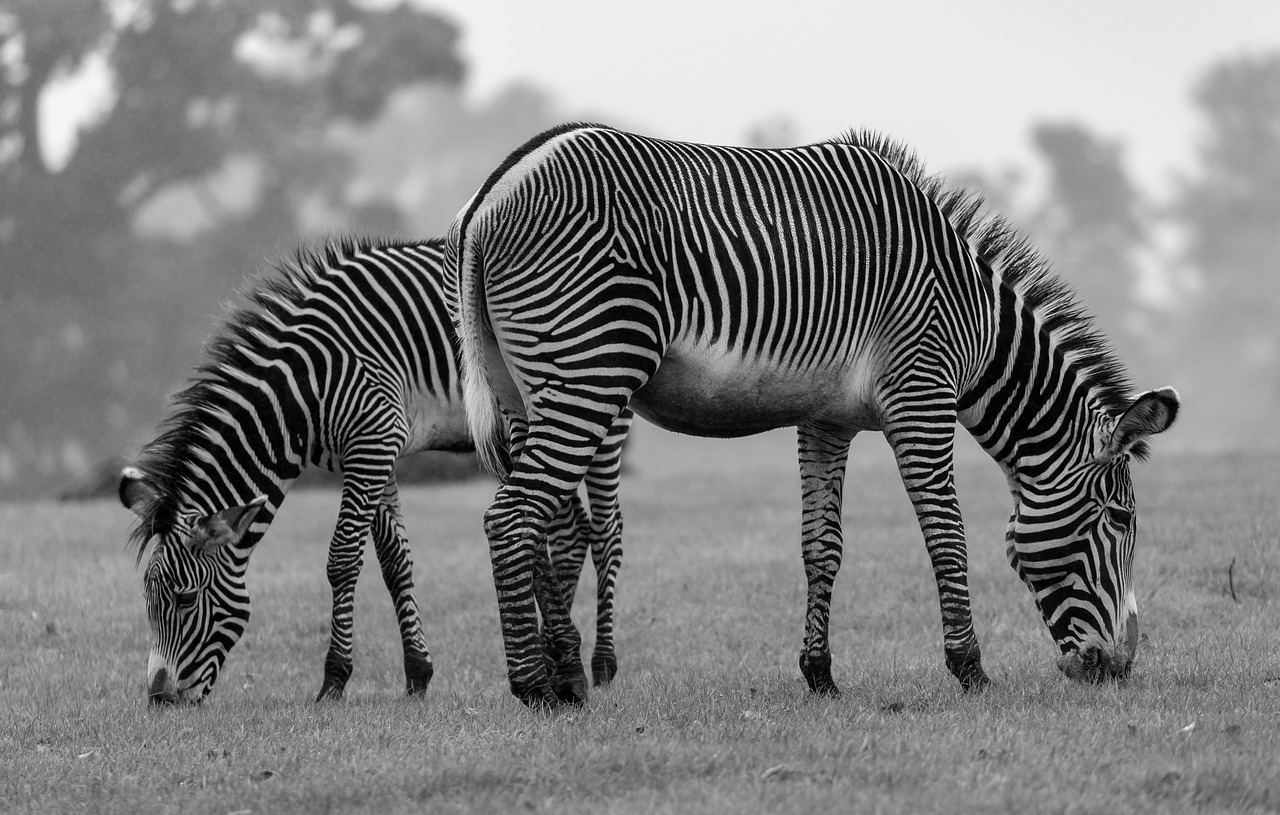
The ideal season for travelers to visit the Ngorongoro Crater in Tanzania is from June to October. This is because of the better Tanzania safari experiences in this Area during this season due to the good weather. For instance, most of the wild animals are usually forced to congregate around the Ngorongoro Crater, which is the main water source. So, it is a dependable food supply for both herbivores that feed on the lush greenery on the crater floor and predators like lions that feed on the increased number of prey that arises due to the availability of food and water in this season
Also, the lushness of the vegetation in Ngorongoro is less during this time due to the dry weather. Hence, this eases visibility of the wild animals in Ngorongoro Conservation Area. So, photographic scenes taken during these months are extraordinary because of the dramatic displays that are a result of the golden sunshine. The other best months to visit Ngorongoro are from January to February because of the wildebeest calving season that normally occurs during this period. Therefore, visitors who come in during this period have a high chance to witness over a thousand births of the calves that occur in a period of a day, and this cannot be seen in other Tanzania Parks.
What is the worst time to go to Ngorongoro for a safari
The most unpopular or worst months to visit the Ngorongoro for a safari are from March to May. Additionally, this is because the weather that is usually unpredictable limits the enjoyment of the travelers to Ngorongoro because of issues like flooding of some routes leading to the Ngorongoro conservation area. Hence, this leads to alterations of some of the activities to do in Ngorongoro, like game drives, as safari vehicles get stuck in the muddy parts of this conservation area during safaris.
However, this period is great for birding safaris in Tanzania and photography because of the growth of lush greenery. So, this creates good sight displays, but attracts a great population of dangerous insects like tsetse flies and mosquitoes that could put the traveler’s health at risk during their Ngorongoro Crater safaris in Tanzania.
Month-by-Month Guide to Visiting Ngorongoro Crater in Tanzania
For detailed planning about your Ngorongoro safari, here’s a breakdown of each month, including average weather, wildlife highlights, crowds, and costs.
January.
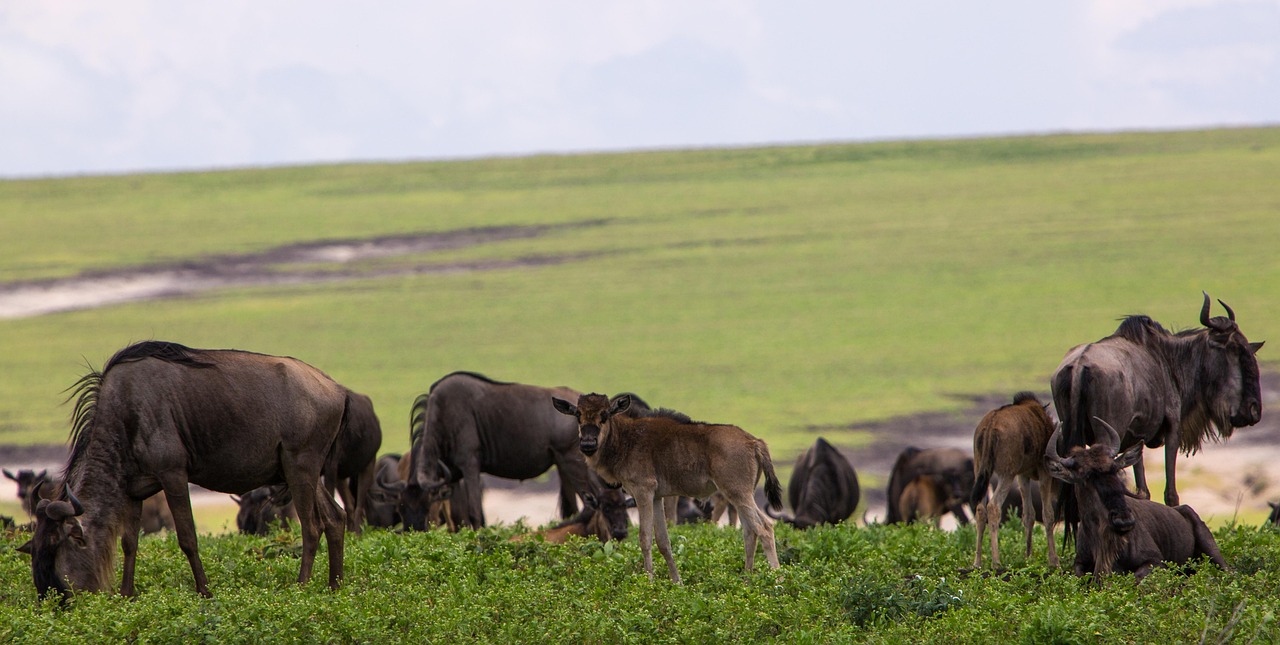
This month marks the beginning of the calving season in Ngorongoro Conservation Area. Therefore, when travelers visit Ngorongoro in January, they are able to witness the calving of the wildebeests. Also, during January, Ngorongoro attracts a large number of predators like the lions, leopards, and cheetahs that come to devour the vulnerable young ones of the wildebeests that can hardly fight for themselves.
Catching this dramatic action is one unforgettable moment that is not to be missed by anyone who visits Ngorongoro in January. However, the safaris in January could be limited by the lush grassland that grows as a result of the past short rains, and this could make visibility hard.
February.
In February, there’s an increase in the birth rate of the wildebeests, hence this is the peak month for calving. So, when travelers visit Ngorongoro in February, they should expect high predator-prey activity. Since this period is great for observing the predator-prey relations in this park, many tourists usually flood into the Ngorongoro due to the high demand for the different services. Also, the Ngorongoro safari costs in February go up a little bit.
March.
Visiting the Ngorongoro Conservation Area in March is ideal for travelers who are seeking more of the birding adventure. So, this is because of the lush greenery that comes as a result of the rains. Hence, there’s increase in the number of different bird species including the migratory birds in Ngorongoro. Also, March is great for photographic captures due to the magnificent landscapes, most especially the green carpet that grows at the crater rim. Trips to Ngorongoro are limited by the heavy downpours that start mid- March. Hence, transportation could also be made difficult due to flooding of some of the routes that lead to Ngorongoro.
April.
April is a month when several tour operators offer budget packages to Ngorongoro, safari activities and accommodations are affordable. This is due to less demand because of a small number of tourists who come during this time. However, due to the heavy rains during April, phenomenal scenic views like the Ngorongoro highlands are obstructed by the misty clouds, hence limiting the experience.
May.
In this month, bird watching in Ngorongoro is at its peak. So, this is because in May the migratory species would have now inhabited the greener areas of the Ngorongoro, most especially the Lerai forest. Hence, making bird photography adventurous. The rains become heavier during this month, hence limiting safari activities in Ngorongoro like the game drive safaris. Also, nature hikes, and even cultural interactions in Ngorongoro, because it is also normally done in the outdoors.
June.
This is another ideal month to visit Ngorongoro because the weather is mild, the rains have now stopped and the sunny season is coming up. Hence, the lush landscape is now complemented by the radiant sunshine, making it epic for nature hikes in the different parts of the Ngorongoro Conservation Area. June is made less ideal by the obstructions that come as a result of the still overgrown vegetation. Therefore, make it hard for travelers to view some of the distinct social behaviors of the different animals in Ngorongoro.
July.
July is ideal for the experience of the big five in Tanzania. Also, game drive experience is very efficient since most of the days are characterized by sunny weather. Additionally, most of these animals in Ngorongoro congregate around the crater. Hence, it is easier to spot these big 5 animals in Ngorongoro during the game drives in July. However, movements in the morning for safari activities could be limited by the cold at the crater.
August.
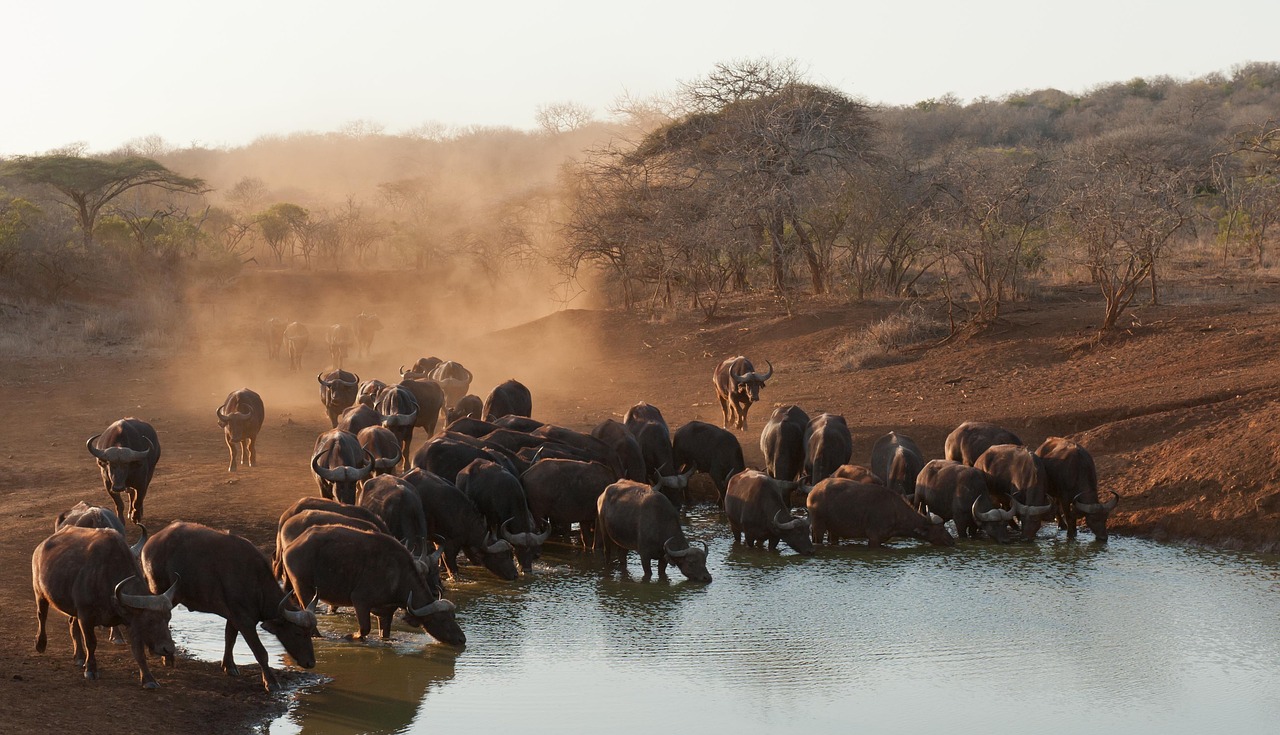
August is the peak of the dry season in Ngorongoro National Park. Hence, the grass is shorter during this time, making visibility of both wildlife patterns, like the predator-prey patterns, and scenic landscapes. Also, August coincides with the dramatic river crossings of the wildebeests in Tanzania. Hence, tourists who visit Ngorongoro in August are able to witness one of the greatest wonders of the world. However, this month is characterized by overcrowding of tourists to Ngorongoro, hence some experiences are less exclusive.
September.
This month is very favorable for travelers seeking optimal game viewing in the park. This is because most of the water sources, such as the Oljoro Nyuki River, usually dry up due to the sunny weather and less rainfall received in September. Hence, all animals in Ngorongoro converge at the crater, including the rare species like the black rhinos that could hardly be sighted by travelers in the past months.
October.
This month marks the end of the dry season in the Ngorongoro conservation area. The landscape is usually golden, hence good for travelers seeking romantic adventures in this park. So, activities to do in Ngorongoro like sundowners, are very great because of the ideal weather and the sunset displays on the crater rim, colored by the pink flamingos. However, the weather inOctober is usually unpredictable as the rains can come in at any time of the day without any warning. Hence, some of the activities like nature walks around Ngorongoro, can be postponed, which could affect a traveler’s schedule.
November.
This month marks the start of the short rains in Ngorongoro. Hence, the landscape becomes verdant and despite the short rains in November, the weather in Ngorongoro is more predictable. So, activities like the Maasai community visits are very possible in this park. Even if the temperatures are usually stable during the days in November, especially early morning and night times, it’s usually very cold. So, this could affect travelers who have conditions like asthma and cold allergies during Ngorongoro tours in November.
December.
In December, the visitors who travel to Ngorongoro usually observe wildebeests crossing to the Southern plains around the Ndutu area. Despite this month being great for safaris to the Ngorongoro Crater, their prices are high due to the holiday bookings done by both local and international travelers. Also, these accommodations in Ngorongoro could be hard for travelers to get due to high demand. Hence, early booking is normally advised.
Factors to Consider When Planning Your Visit to Ngorongoro Conservation Area
Let’s get practical before you lock in dates.
- First, the altitude in Ngorongoro ranges between 1,800 and 2,300 meters. That means cooler air all year. June to October stay sunny and dry, perfect, clear days. November through May brings afternoon showers and thick green growth.
- Wildlife in the Ngorongoro Conservation Area stays put year-round because water never fully disappears. But in the dry months, animals crowd the waterholes. You spot everything faster. January and February add extra thrill; thousands of wildebeest calves in Ngorongoro draw big cats in close.
- Crowds and prices for safaris in Ngorongoro swing hard. June to October and January-February pack the crater rim lodges. Expect $500+ per night at the best spots. April and May flip the script-30 to 50 percent off and almost empty trails.
- Game drives in Ngorongoro National Park shine brightest when it’s dry. Birding and lush landscape photos explode during the rains. Maasai village visits work any month, just skip the heaviest downpours.
- One quick health note. Wet season means more mosquitoes in this area, so bring a strong repellent. Altitude can leave you a bit winded at first. Take it slow the first day or two.
- With those basics covered, you’re ready to pick the window that fits your style for your trip to Ngorongoro Crater. Next up is the actual Ngorongoro safari itinerary that turns whichever season you choose into an unforgettable trip.